
Supervision & Training
Focused on the critical role of supervision in the training of psychotherapists, this section offers resources and best practices for both supervisors and supervisees to enhance the learning experience and ensure the delivery of high-quality care.
156 articles found

Suicidal Behavior Among Psychologists: Prevalence, Drivers, and Recommended Action Steps
Suicide is a serious threat to public health, and healthcare professionals, including psychologists, are not immune to it. Few experiences are as shocking to psychologists as learning that one of their colleagues has died from suicide. The experience often leaves their patients feeling bewildered or traumatized (Kleespies et al., 2011). This article reviews the prevalence […]

Samuel Knapp, Ed.D., ABPP + 2 more
May 12, 2026

Considerations for Adolescent Mothers: Trauma-Informed and Integrated Care
Adolescent pregnancies and teen birth rates are shown to be correlated with significant physical, emotional, and social risks in the United States (Mickler & Tellestrup, 2025) and in many countries across the world. In 2019, 21 million pregnancies were reported in women aged 15 to 19 years worldwide with approximately 50% of the pregnancies reported […]

Emma N. Jalili, MA + 2 more
May 6, 2026

Childhood Adversity and Suicide
What Childhood Events Are Especially Problematic? Suicidal patients often report adverse childhood events (O’Connor, 2021; Thompson & Kingree, 2022). Consequently, psychotherapists working with suicidal patients need to consider how these experiences impact their current functioning and how they contribute to their suicidality. Adverse childhood events could involve a wide range of serious and upsetting stressors […]
Samuel Knapp, Ed.D., ABPP
May 6, 2026

Why the Health of Americans Will Decline and What Psychotherapists Should Do About It
Compared to Peer Countries, Americans Are Sicker One metric of a country’s overall health is its citizens’ life expectancy from birth. Life expectancy in the United States peaked at 79.3 years in 2024, with only negligible increases in recent decades. In contrast, life expectancy in other high-income countries has increased significantly over the same period […]
Samuel Knapp, Ed.D., ABPP
May 6, 2026

Clinician Stigma Toward Narcissistic Personality Disorder: Implications for Assessment, Treatment, and Clinical Practice
Introduction Narcissistic personality disorder (NPD), as defined by the Diagnostic and Statistical Manual of Mental Disorders (DSM-5-TR; American Psychiatric Association, 2022), is characterized by patterns of grandiosity, a need for admiration, and a lack of empathy. However, this definition limits the full representation of the disorder, primarily omitting the essential component of vulnerability (Crisp & Gabbard, […]

Deanna Young, PsyD + 1 more
April 26, 2026

The Myth of Monolithic Experience: Navigating Intra-Cultural Assumptions through Deliberate Practice
Cultural matching between client and clinicians has long been discussed in psychotherapy as a strategy to enhance treatment engagement and therapeutic alliance (Cabral & Smith, 2011). Practitioners often assume that shared cultural background inherently improves therapeutic connection, reducing cultural barriers and enhancing understanding. Empirical evidence supports the notion that ethnic or language matching can improve […]

Joel Jin, PhD
April 5, 2026
Navigating Dementia Care: Balancing Cognitive Decline, Emotional Well-Being, and Caregiver Resilience in Later Life
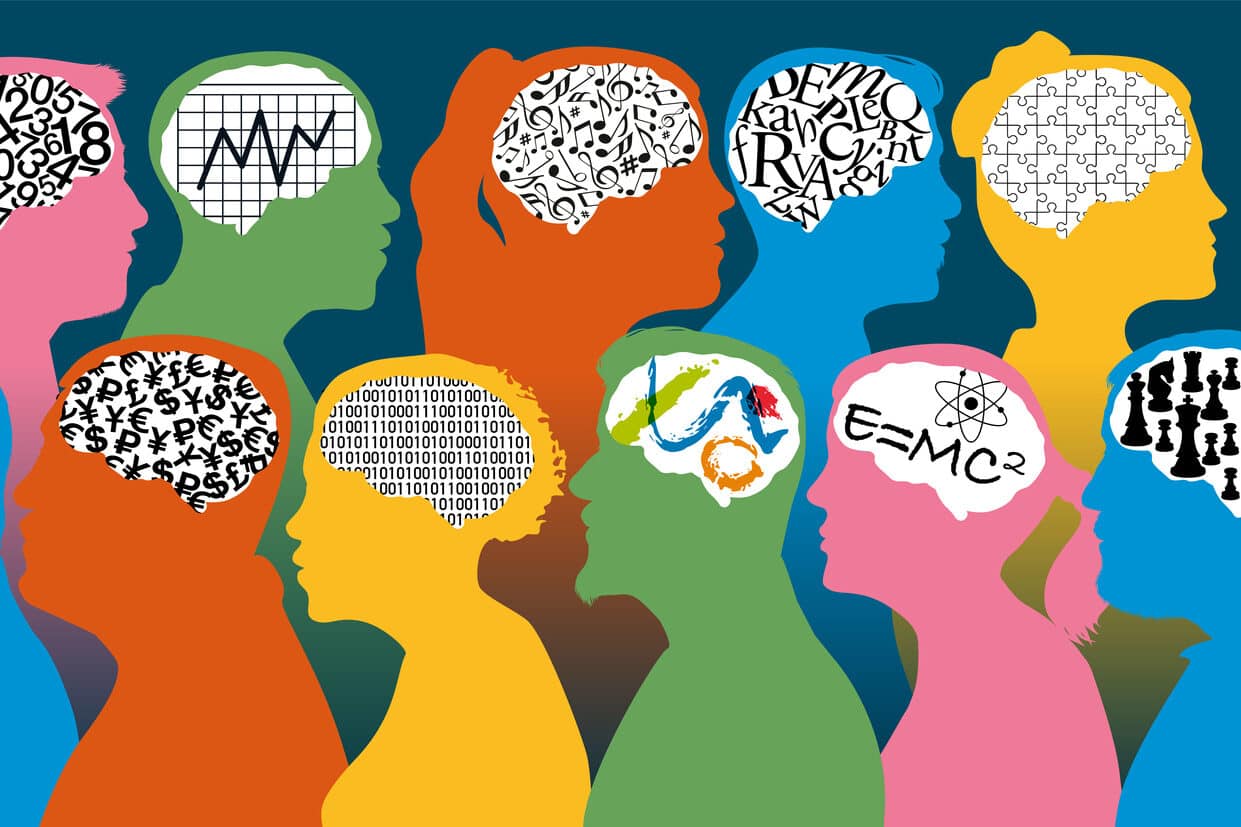
Dementia as a Global Challenge Dementia represents one of the most pressing public health challenges of the 21st century. Globally, an estimated 55 million people are living with dementia, a number expected to double every 20 years as populations age (World Health Organization, 2021). Dementia is a disorder characterized by progressive neurocognitive decline affecting memory, […]

Ayesha Riaz, MS + 1 more
March 17, 2026

Global Perspectives in Training Future Mental Health Practitioners: Challenges and Innovations from Four Continents
Abstract Amid a rapid sociocultural transformation and a growing global demand for mental health care, the effective training of future psychotherapists has become a pressing concern. This article synthesizes insights from a structured discussion held at the 56th International Annual Meeting of the Society for Psychotherapy Research, where four international professionals from the diverse regions […]

Agostino Brugnera, PhD + 5 more
February 12, 2026

Entering the World of Private Practice: What Graduate School Did Not Teach You
Abstract Young psychologists entering the world of private practice often find themselves holding naïve concepts about this area of psychotherapy and may be ill-prepared to work for a group private practice and/or start their own practices. This may be related to various obstacles surrounding credentialling and billing, insurance operations and processes, restrictive covenants, marketing tasks, […]

Michael Pica, PsyD
August 10, 2025

Spiritual Competencies for Psychotherapists: Research Findings and Training Opportunities
This article shares insights from “Improving Psychotherapists’ Spiritual and Religious Competencies: Evaluation of a Live Videoconferencing Training Program,”recently published in Psychotherapy (Richards et al., 2025). The study evaluated the effectiveness of a live videoconferencing training program in spiritually integrated psychotherapy (SIP) offered by ACPE: The Standard for Spiritual Care and Education (ACPE). Here, we summarize […]

Russell Siler Jones, ThD, LCMHCS + 1 more
July 1, 2025
SAP Who’s Who: Dr. Susan Heitler
Who’s Who: Dr. Susan Heitler Can you tell me about your educational background and professional experience? I enjoyed undergraduate school at Harvard, went to Boston University for a Masters Degree in education, and then applied to NYU for a clinical psychology PhD where I almost didn’t get accepted. For the opportunity to earn my doctorate, […]

Society for the Advancement of Psychotherapy
June 5, 2025

Sharing
Sometimes this is called “identification”. Sometimes this is called “empathy”. Sometimes this is found in years of marriage. When couples finish each other’s sentences, share the same dreams, begin to look more like each other. What happens is that we become more like the people we spend the most time with. Or even with animals. […]

Robert F. Morgan, PhD
April 28, 2025