
Sharing
Robert F. Morgan, PhD
April 28, 2025
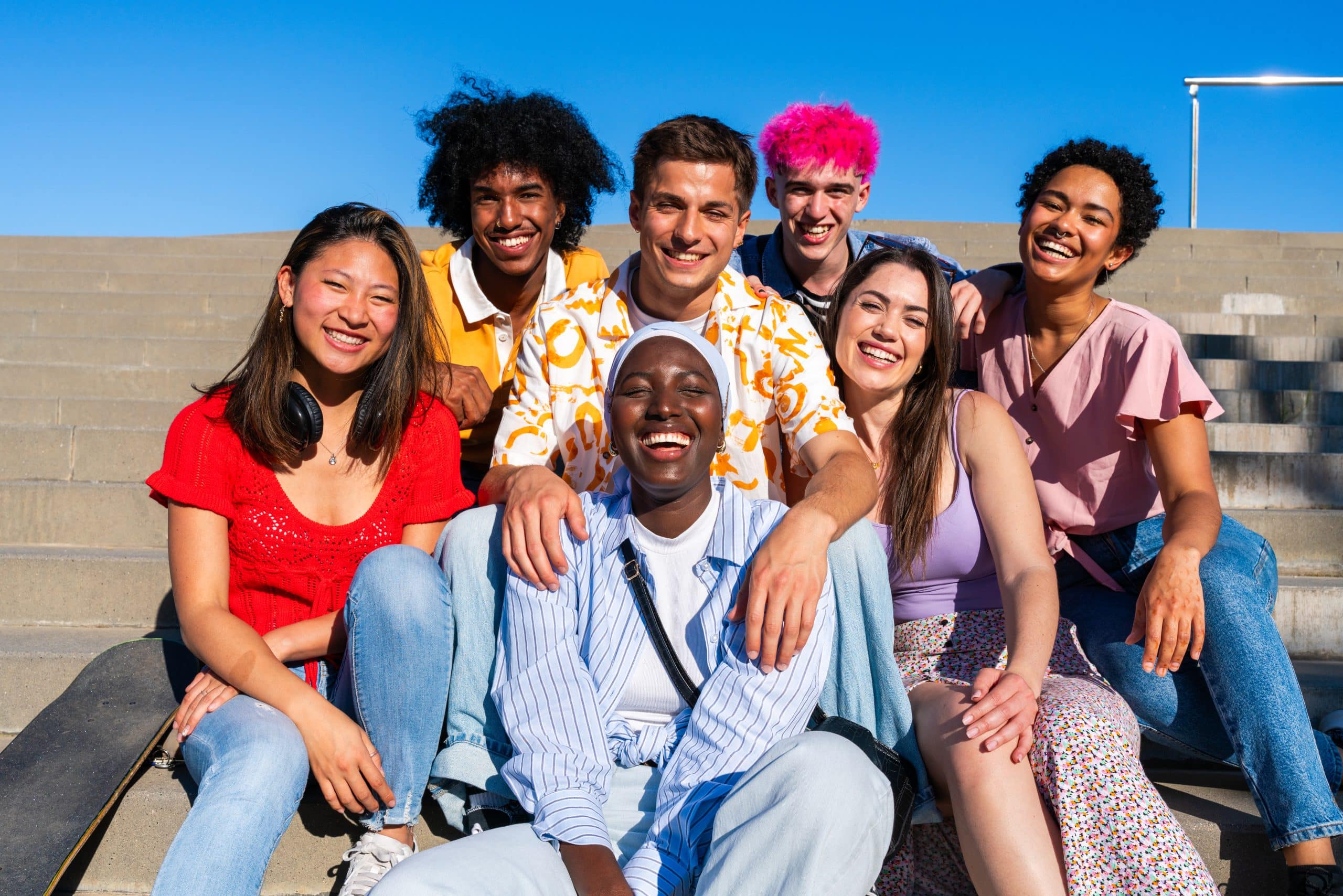
Sometimes this is called “identification”. Sometimes this is called “empathy”. Sometimes this is found in years of marriage. When couples finish each other’s sentences, share the same dreams, begin to look more like each other.
What happens is that we become more like the people we spend the most time with.
Or even with animals. Ever notice how humans and dogs begin to resemble each other over time? Both body and mind, physical and behavioral. It has been noticed that domesticated wolves, our dogs, over generations of human contact take on human expressions never found in wolves. Of course, the humans living with these dogs may take on more than a few of the canine aspects.
If your spouse circles the bed three times before getting in, beware. Sniffing the butts of arriving visitors another warning sign. And what cat owners might do… Well, you get the idea.
The key is that this sharing goes in both directions.
I do remember reading about a very early 1930 demonstration of this when a married couple of psychologists adopted a baby girl chimp named Gua who was close to the age of Donald, their own baby boy. The two were raised together for almost a year. The focus was primarily on Gua with Donald as a normal comparison. In their first months together, Gua outscored Donald on intelligence tests, falling behind only when the psychologist parents attributed Donald’s speech abilities as an advantage. Gua’s vocal cords didn’t work effectively for that. Still, this was years before chimps were taught sign language (see the Next of Kin book).
All the focus on Gua’s childhood in a human family eventually had a reciprocal impact on Donald, a human child raised with a chimp sister. When Donald began making chimp sounds, the parents exiled Gua to an animal facility. There she died a year later.
I could find no follow up on Donald as an adult. I wonder who he married?
It was the beginning of the new millennium. I had just begun a faculty job at the Institute of Transpersonal Psychology in San Francisco. I was to meet with 30 new students in the clinical psychology doctoral program. They had already begun their field placements. As that class began, there were only 29 students. A few said the missing student was always late but she would be there.
I began by putting this identification reciprocity concept in context.
I told them about the “medical student’s disease” in which some always worried that whatever disease symptoms they were learning about also seemed to be in them.
I asked them to pay attention in their field placements to see how they might be taking on the problems of their client, acting them out in their own life, unless they were vigilant.
About then the missing student arrived.
She stomped into the classroom, scowling, and sitting down hard on a seat, arms crossed, glaring at me.
“Something wrong?” I asked.
“Just takes me longer to get here from my field placement. I suppose you want to make a big deal about it?”
“Hmm. Who were the clients you were working with?”
“Teenage girls! So what?”
She was surprised when everybody in the room laughed. This was going to be a great class.
We remain alive in each day of our past, a lasting live statue in time (Morgan 2002, 2023-2025). Essential learning, including this one.