
Psychotherapy Process
Explore the dynamics and stages of the psychotherapy process, from the initial client assessment to the therapeutic interventions that promote healing. This section provides insights into the complexities of therapeutic relationships and strategies to enhance treatment effectiveness.
254 articles found

Integrating Mindfulness into Psychotherapeutic Practice
A client once described conflict at work “came out of nowhere.” Meetings would escalate quickly, leaving them feeling overwhelmed and reactive. When we slowed the moment down in session, something different emerged. As the client spoke about a recent disagreement, my favorite question to ask clients is: “What do you notice in your body right […]
Anne Bello, PhD
May 13, 2026

Beyond Symptom Management: Existential/Humanistic Treatment for Combat Veterans
One observation of military veterans who served in Beirut, Afghanistan, and Iraq is their presentation and experience of persistent hypervigilance, avoidance, emotional constriction, and transitional forms of disillusionment. These symptoms may be part of a larger trauma response and mask unresolved affective states that should be addressed as a regular component of treatment. The recommended […]
Michael Pica, PsyD
May 8, 2026

The Projective Assessment Integration System (PAIS): A Guide for Student Clinicians in Training
When administered, scored, and interpreted correctly, projective assessments remain pivotal in assessing emotional functioning, problem-solving, interpersonal style, and linearity of thought. Critics of projective testing point to problems with validity, inter-rater reliability, and subjective preconceptions that may limit the generalizability of the results (Lilienfeld et al., 2000). However, there are a plethora of valid and […]
Michael Pica, PsyD
May 8, 2026

Practical Tips for Using Social Media to Promote Your Professional Practice
Creating professional social media accounts across multiple platforms can increase both business traction and community outreach and contact. By using your professional knowledge to inform the public about your mental health expertise and areas of specialty, you can help strengthen the relationship between mental health care and the communities it serves; destigmatizing various facets of […]

Amanda Conway, MS
May 6, 2026

Considerations for Adolescent Mothers: Trauma-Informed and Integrated Care
Adolescent pregnancies and teen birth rates are shown to be correlated with significant physical, emotional, and social risks in the United States (Mickler & Tellestrup, 2025) and in many countries across the world. In 2019, 21 million pregnancies were reported in women aged 15 to 19 years worldwide with approximately 50% of the pregnancies reported […]

Emma N. Jalili, MA + 2 more
May 6, 2026

Social Nutrition or Social Malnutrition: Addressing Loneliness in Ourselves and Others
As social animals, we all require social nutrition, which involves regular and meaningful interactions with others (Kornblith et al., 2022). The absence of this vital nourishment can lead to social malnutrition or loneliness, a profoundly personal experience that arises from the gap between our desired and actual social connections. Loneliness is not the same as […]

Samuel Knapp, Ed.D., ABPP + 2 more
May 5, 2026

Partner-Involved Approaches to Insomnia and Sleep Apnea: Integrating Sleep Science into Psychotherapy with Individuals and Couples
Sleep complaints are among the most common issues that present in psychotherapy with growing evidence demonstrating that insufficient or disrupted sleep contributes to a broad range of physical, psychological, and public-health concerns. Further, epidemiologic and meta-analytic findings show that insomnia is an independent risk factor for cardiovascular disease, hypertension, and type 2 diabetes even when […]

Bruce D. Forman, PhD
May 5, 2026

No Psychologist is an Island: Building Ethical Strength Through Community
Professions exist as shared communities with each profession defined by its specialized tasks and standards to uphold, including ethical codes, shared values, and professional norms. Psychology, like other professions, is grounded in a shared ethical code, specialized expertise, and a commitment to public service. These core elements are dynamic and continuously refined through ongoing professional […]

John Gavazzi, PsyD, ABPP + 1 more
March 19, 2026

Reclaiming Psychotherapy: A Health-Centered Alternative to the Western Medical Paradigm Offered by Traditional Chinese Medicine
Abstract The dominant Western medical model in psychotherapy, centered on illness and problems, has revealed limitations including over-pathologization and poor treatment outcomes. This paper proposes Traditional Chinese Medicine (TCM) as a robust, health-centered alternative paradigm. TCM offers a holistic, person-centered approach that views mental health as inseparable from physical health, emphasizing balance (Pínghéng Guān平衡), unity […]

Changming Duan, Ph.D. + 8 more
March 19, 2026
Navigating Dementia Care: Balancing Cognitive Decline, Emotional Well-Being, and Caregiver Resilience in Later Life
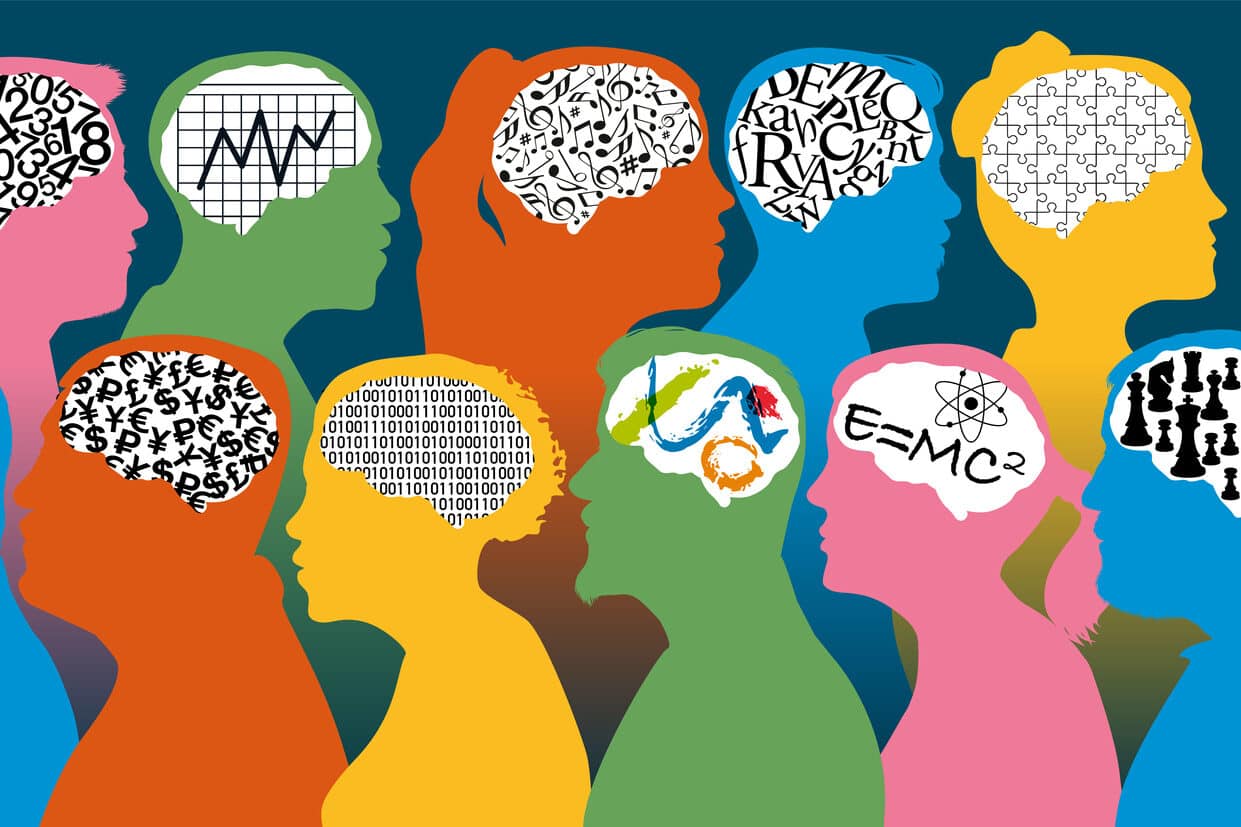
Dementia as a Global Challenge Dementia represents one of the most pressing public health challenges of the 21st century. Globally, an estimated 55 million people are living with dementia, a number expected to double every 20 years as populations age (World Health Organization, 2021). Dementia is a disorder characterized by progressive neurocognitive decline affecting memory, […]

Ayesha Riaz, MS + 1 more
March 17, 2026

Why Artificial Intelligence Will Not Replace Human Psychologists: Legal, Ethical, and Clinical Limitations
This article builds on previous arguments (Gavazzi, 2025a; Gavazzi, 2025b) stating that although AI technologies are rapidly advancing, they cannot replace human psychologists performing psychotherapy; this is simply the result of evolutionary advantages in humans across social, emotional, and cognitive domains that are essential for therapeutic interactions. In addition, these systems are unlikely to replace […]
John Gavazzi, PsyD, ABPP
December 29, 2025

Reconsidering the Evidence for Exploratory Psychotherapies and Relational Processes
Introduction Insight and experience have served as organizing principles in the evolution of psychotherapy and have remained fundamental across therapeutic modalities. This is perhaps unsurprising as Albert Ellis and Aaron Beck, two major figures in the development of cognitive psychotherapies, were originally trained in psychoanalysis, while Carl Rogers, who pioneered the humanistic orientation, drew significantly […]

Charalampos Risvas, MSc + 2 more
November 30, 2025