
Global Perspectives in Training Future Mental Health Practitioners: Challenges and Innovations from Four Continents

 +2
+2Agostino Brugnera, PhD & 5 others
February 12, 2026

Abstract
Amid a rapid sociocultural transformation and a growing global demand for mental health care, the effective training of future psychotherapists has become a pressing concern. This article synthesizes insights from a structured discussion held at the 56th International Annual Meeting of the Society for Psychotherapy Research, where four international professionals from the diverse regions of Argentina, Hong Kong, India, and Italy shared perspectives on psychotherapy education and supervision. Findings reveal significant global diversity in professional training and regulatory systems, alongside profound cultural influences on therapeutic practice and supervision. Despite varied institutional structures and unique local challenges—such as economic instability, cultural discomfort with emotional expression, and limited access to quality supervision—common themes emerged regarding the need for increased cultural awareness, enhanced emotional development in trainees, and creative responses to resource limitations. This article highlights innovative, forward-thinking practices, including meta-supervision, live supervision, and community-based training models. Ultimately, this synthesis underscores the imperative for a globally responsive, ethically grounded, and inclusive future for psychotherapy education and practice, suggesting that shared learning across diverse contexts is essential to addressing contemporary mental health needs.
Applied Impact Statement
Therapy training models worldwide are at a crossroads while facing the dual challenge of high demand and systemic limitations, yet they are responding with shared innovative practices. While regulations and training pathways vary significantly, from formal licensure in Italy to a lack of it in Hong Kong, psychotherapy training across global regions is united by similar cultural and economic pressures. Issues, such as economic instability in Argentina, discomfort with emotional expression in Hong Kong’s collectivist culture, and a severe shortage of supervision in India and Italy are all being addressed with a new focus on cultural awareness, contextual relevance, and ethical practice.
Introduction
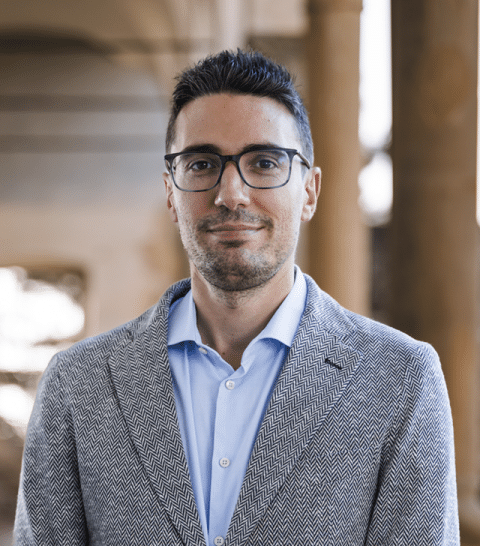
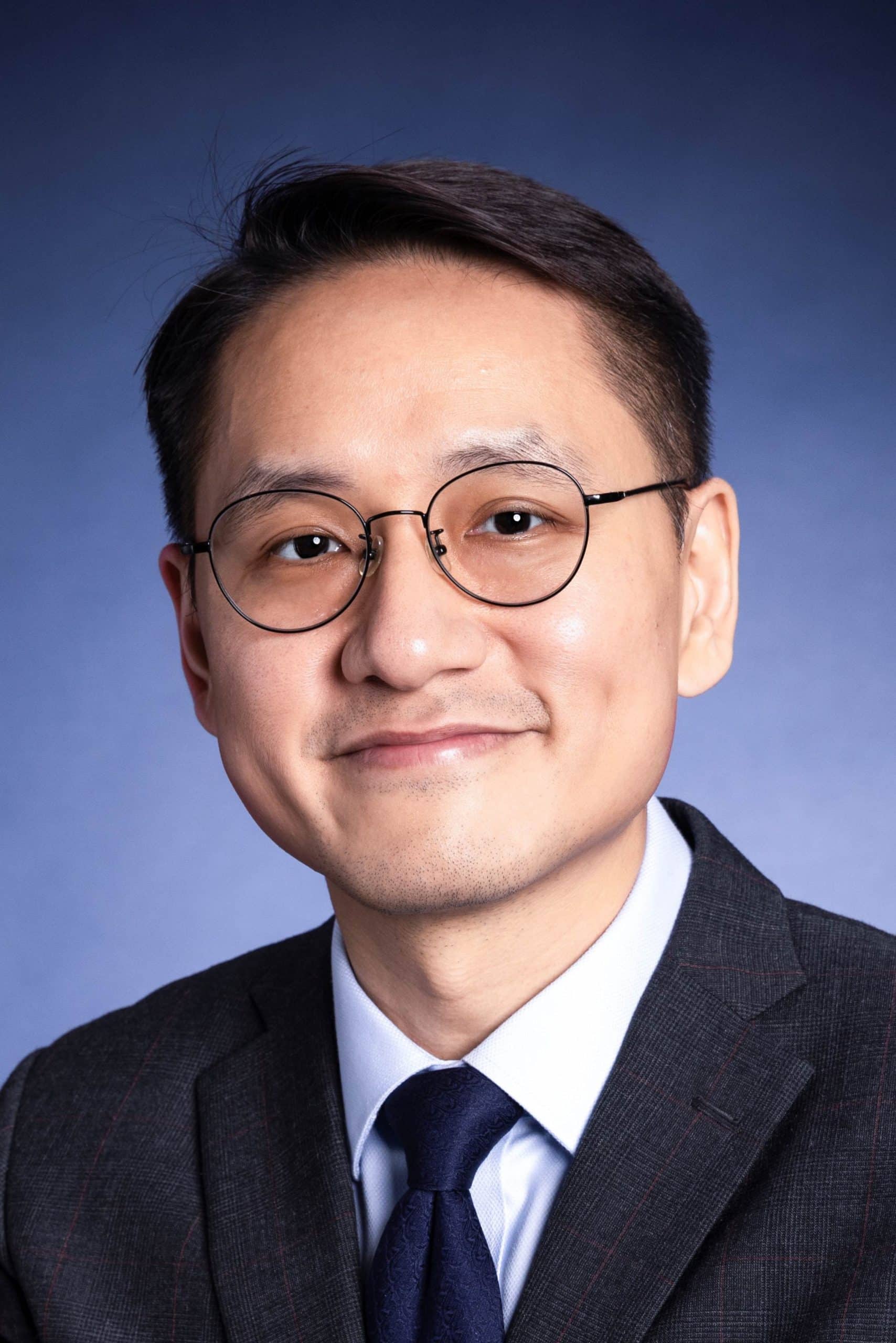
Amid a rapid sociocultural transformation and a growing global demand for mental health care, the question of how best to train future psychotherapists has become increasingly urgent. At the 56th International Annual Meeting of the Society for Psychotherapy Research in June 2025, a structured discussion was held to examine this issue through a global lens. Organized by both the International Domain and Diversity Domain of the Society for the Advancement of Psychotherapy (SAP), four distinguished professionals and SAP international members from diverse regions shared insights into the training pathways, cultural influences, local challenges, and innovations shaping psychotherapy education and supervision in their countries. Specifically, the structured discussion was organized and moderated by Dr. Wonjin Sim (SAP Diversity Committee Chair) and Dr. Changming Duan (SAP International Committee Co-Chair), with Dr. Agostino Brugnera (Italy), Dr. Harold Chui (Hong Kong, China), Dr. Beatriz Gómez (Argentina), Dr. Pragya Sharma (India) serving as discussants. This article synthesizes their perspectives for the broader psychotherapy research and practice community.
Professional Training: Diverse Systems of Regulation and Access
Argentina
Dr. Beatriz Gómez described a country with one of the highest concentrations of psychologists where psychotherapy is widely accepted and can be practiced after attaining a degree in psychology or medicine. Graduate training is available but is not required. While training was traditionally psychoanalytic, both cognitive and integrative approaches have gained significant ground. Free public undergraduate education fosters access though economic instability affects long-term professional development.
Hong Kong
Dr. Harold Chui explained that psychotherapy remains unregulated and individuals with varied educational backgrounds may refer to themselves as counselors. Formal registration is encouraged but not mandated. At the same time, licensed professionals in clinical psychology and social work follow regulated pathways, and there are efforts to align supervision and ethics standards across these roles.
India
Dr. Pragya Sharma relayed that psychotherapy training is offered in the context of dual regulatory structures under the Mental Healthcare Act and the Rehabilitation Council. Dr. Sharma noted the coexistence of clinical and counseling psychology tracks, with the former having its own licensing and supervisory systems and the latter needing clarity around similar requirements. She also described tensions due to limited institutional clarity and variation in training quality, especially citing the lack of implementation of training regulations.
Italy
Dr. Agostino Brugnera shared that psychotherapy can only be practiced in Italy by licensed psychologists or medical doctors who complete a rigorous four-year postgraduate training. With more than 400 accredited programs (most of which are private), psychotherapy training is predominantly provided outside universities. Public programs are fewer in number but generally less expensive than private programs.
Cultural Contexts in Supervision and Training
Cultural influences deeply shape how psychotherapy is practiced and how psychotherapists are trained. Dr. Gómez described Argentina as a society where therapy is a cultural norm. Clients often arrive having experienced multiple prior treatments. Yet economic crises effect therapeutic continuity and fee negotiation, requiring supervisors and trainees to navigate financial ethics and flexibility with the delivery of mental health care.
Dr. Chui emphasized that Hong Kong’s exam-oriented education system fosters binary thinking and discomfort with ambiguity. These cultural legacies seem to challenge trainees’ capacity for emotional tolerance and self-reflection, exacerbating the negative effects of mental health stigmatization. Trainees likely do not view themselves as potential help-seekers and may shy away from asking for support; a blind spot that supervision can and must address.
In India, Dr. Sharma noted that due to India’s hierarchical norms and collectivistic culture, there tends to be a strong reverence for seniority and authority, which can sometimes inhibit open dialogue or questioning during supervision. Trainees may hesitate to express confusion, disagreement, or emotional vulnerability, fearing judgment or negative evaluation. Reflective practices are slowly gaining ground, especially in programs emphasizing experiential learning.
In Italy, Dr. Brugnera reported that supervision is closely tied to the theoretical orientation of the training institution. Most psychotherapy schools are based on a single therapeutic model and supervision typically reflects and reinforces the principles of that specific approach. Further, while only a few training programs place significant emphasis on racial and cultural dynamics in mental health, a growing number of professionals are now recognizing the importance of integrating cultural competence and diversity awareness into psychotherapy education.
Contextual Challenges in Supervision and Practice
Each speaker identified distinctive local barriers and challenges in supervision and practice, emphasizing the significant influence of contextual factors. In Argentina, supervision should attend to economic inequality (e.g., fee dynamic) and address trainee risk of over-functioning in their clinical work (e.g., patient empowerment).
Trainees in Hong Kong sometimes have difficulty recognizing and articulating their own emotions. From a Western perspective, this might be seen as discomfort or a challenge in exploring clients’ emotions during therapy. Dr. Chui highlighted the importance of training students to view emotions more comprehensively, taking into account that somatic and behavioral changes can also serve as indicators of a client’s emotional state. Utilizing a cultural lens demonstrates that a lack of verbal emotional expression is not necessarily an interpersonal deficit and it may be the result of various cultural and contextual factors that warrants exploration.
In India, Dr. Sharma noted that qualified supervisors are scarce and especially in rural areas, leading to overburdened supervisors and limited opportunities to experience reflective supervision. Heavy caseloads and minimal financial support for supervision impede deep cultural fidelity in training. Additionally, stigma exists around seeking supervision as a therapist, which is a crucial but underutilized form of support.
In Italy, Dr. Brugnera cited the difficulty in securing internship placements, which vary greatly between institutions and regions. Academic and training paths are entirely separate, preventing the integration of research and clinical practice and, therefore, impeding the adoption of a scientist-practitioner model.
Innovation and Forward-Thinking Practices
Despite these challenges, each speaker shared promising developments. Argentina has implemented a meta-supervision model and has culturally adapted training evaluation tools, such as brief feedback-informed measures and video-based supervision. A supervisor training program that includes the development of multicultural competencies is currently being offered.
Hong Kong has adopted live supervision and group-based models that seem to enhance peer support and reduce trainee anxiety. These methods foster collaboration and are especially resonant in collectivist cultures. India is seeing the emergence of community-based training and reflection-oriented supervision with an emphasis on self-awareness. Lastly, Italy is seeing some programs integrating structured self-assessment and outcome monitoring tools. Even more advanced training techniques are being implemented, including video-recordings, peer supervision, and the utilization of digital supervision platforms.
Conclusion
This global conversation revealed rich diversity in psychotherapy training models and identified several unifying themes across varying geographic locations. Across all regions, the integration of cultural awareness, attention to emotional development, and creative responses to resource limitations emerged as the primary concerns in training mental health providers. While institutional structures vary widely, each context offers innovations that can inspire others. Sharing global perspectives moves us toward a more responsive, ethical, and inclusive future in the education, training, and practice of psychotherapists and mental health providers.