
Navigating Dementia Care: Balancing Cognitive Decline, Emotional Well-Being, and Caregiver Resilience in Later Life

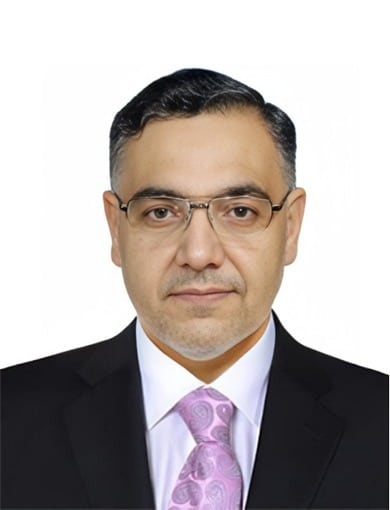
Ayesha Riaz, MS & Mohammad Saifullah Qureshi, PhD
March 17, 2026

Dementia as a Global Challenge
Dementia represents one of the most pressing public health challenges of the 21st century. Globally, an estimated 55 million people are living with dementia, a number expected to double every 20 years as populations age (World Health Organization, 2021). Dementia is a disorder characterized by progressive neurocognitive decline affecting memory, orientation, judgment, and daily functioning, and is often accompanied by behavioral and psychological disturbances (Livingston et al., 2017). Unlike many psychiatric conditions, dementia entails a trajectory of irreversible loss, requiring long-term adaptation by patients and their families (Prince et al., 2016).
Dementia in South Asia and Pakistan
While dementia is often framed as a disease of aging in high-income countries, its impact in South Asia, including Pakistan, is compounded by demographic, cultural, and healthcare challenges. In Pakistan, awareness of this condition remains limited, with diagnostic facilities remaining scarce and social stigma pervasive (Shah et al., 2018). The burden of care is overwhelmingly borne by families (often within joint households) where caregiving is viewed as a moral and religious responsibility. Such cultural strengths coexist with challenges, as caregiver fatigue, limited professional support, and financial strain increase vulnerability to burnout (Adelman et al., 2014).
Case-Based Approach
Case illustrations provide a powerful lens through which to understand the lived realities of those living with dementia, allowing for the integration of clinical detail, psychosocial context, and therapeutic reflection (Launer, 2020). This article presents the case of a 64-year-old Pakistani woman called Farida who has a dementia diagnosis, situating her clinical presentation within broader cultural and theoretical frameworks. Through her story we explore the complexities of balancing cognitive decline, emotional well-being, and familial adaptation in the face of progressive loss. Farida’s journey illustrates how dementia not only reshapes an individual’s sense of self but it also transforms the emotional fabric of the family system. Her case underscores the profound human need for connection, meaning, and dignity—even as memory fades and roles evolve (Erikson, 1982).
Background and Demographics
Farida is a 64-year-old widow and homemaker residing in Rawalpindi, Pakistan. She was born and raised in a traditional family system and married in her early 20s. Throughout her life, she identified strongly with her role as a homemaker, caregiver, and later on as a grandmother. Her late husband, a retired civil servant, had provided financial stability, and together they raised three children. Following his passing, Farida continued to live in a joint family system with her children and grandchildren.
Presenting Concerns
Over the past two years, Farida’s family noticed gradual changes in her memory, behavior, and daily functioning. She began forgetting the names of close relatives, misplacing common household items, and repeating questions within short timeframes. Initially dismissed as normal aging, her symptoms began to progress. Farida increasingly relied on others for daily reminders, displayed emotional lability, and developed repetitive behaviors, such as repeatedly checking locks on doors.
As the undiagnosed illness progressed, her personality appeared to shift. She became suspicious of family members, occasionally accusing them of hiding her belongings. She also demonstrated periods of withdrawal, alternating between moments of irritability and agitation. These behavioral changes created tension within the household and increased her caregivers’ stress.
Clinical Assessment
Farida underwent a comprehensive neuropsychological and behavioral assessment to evaluate the extent of her cognitive decline and the associated functional implications. The responses on the Mini-Mental State Examination (MMSE; Folstein et al., 1975) produced a score of 18 out of 30, indicating moderate cognitive impairment. She showed deficits in orientation (i.e., frequently misstating the date and current location), short-term recall, and attention span. These findings were consistent with the family’s reporting of Farida’s repetitive questioning, more frequent disorientation in familiar environments, and difficulty following conversations.
The Clock Drawing Test (CDT) provided additional diagnostic insights. Farida was asked to draw a clock face with an hour and minute hand displayed to show a specific time, which she was not able to complete with accuracy. She placed all the numbers clustered on one side of the clockface and subsequently mispositioned the clock hands, failing to represent the requested time. These errors suggested impairments in executive functioning, visual-spatial processing, and conceptual understanding of time, which are cognitive domains commonly impacted and compromised in dementia patients. The CDT results alongside her MMSE profile confirmed the diagnosis of moderate-stage dementia with significant cortical involvement (Folstein et al., 1975; Shulman, 2000).
Projective testing utilizing the House-Tree-Person (HTP) Drawing Test highlighted the presence of emotional and identity-related disturbances for Farida. Her drawings were incomplete, distorted, and lacked detail, often reflecting themes of helplessness, insecurity, and cognitive disorganization. The fragmented nature of her drawings suggested a reduced capacity to implement problem-solving strategies and a diminished coherence of self-concept, which are both characteristic of progressive dementia (Launer, 2018).
Family and Caregiver Context
Following her husband’s death, the caregiving of Farida shifted primarily to her eldest daughter, who received support from her siblings and extended family. While the joint family system provided a protective social structure, the burden of Farida’s daily car—involving supervision, managing behaviors, and providing reassurance—began to weigh heavily on her caregivers. Feelings of frustration, guilt, and helplessness were reported, mirroring global caregiver experiences across cultures and contexts (Adelman et al., 2014; Prince et al., 2016). The family initially sought medical advice from a general practitioner and then a neurologist, who confirmed a dementia diagnosis. Pharmacological treatment was started and subsequently at the family’s request due to their preference for preventive, non-pharmacological interventions aimed at improving daily functioning and emotional stability.
Application and Analysis
Dementia and the Erosion of Identity
Farida’s case illustrates central features of dementia, which are the gradual erosion of memory and, subsequently, selfhood. According to Erikson’s (1982) theory of psychosocial development, older adulthood is characterized by the psychosocial conflict of integrity versus despair. This stage involves a reflective evaluation of one’s life, where individuals strive to achieve ego integrity by accepting their life experiences as meaningful and coherent. Successful resolution is marked by a sense of fulfillment, wisdom, and acceptance of aging and mortality. In contrast, failure to achieve integrity may result in despair, characterized by regret, dissatisfaction, fear of death, and feelings that life opportunities were missed. In Farida’s case, her emotional struggles and reflective concerns suggest challenges in navigating this stage, as she appears to grapple with unresolved life experiences and a diminished sense of purpose. For individuals living with dementia, this developmental challenge is magnified as memory loss and disorientation undermine the capacity for life review and meaning-making. Farida’s repetitive questioning and disorganized projective drawings reflected not only neurocognitive decline but also a struggle to sustain identity in the face of fragmentation.
Behavioral Symptoms as Adaptive Responses
Farida’s suspiciousness and repetitive checking behaviors can be understood through a compensatory lens as an attempt to impose control and predictability amid cognitive disarray. Such behaviors, which are often distressing to caregivers, may represent adaptive responses to the anxiety produced by disorientation (Livingston et al., 2017). Recognizing these patterns can reframe them from problems to be eliminated into signals providing useful data and requiring empathetic support to manage.
Caregiver Burden
Caregiver burden and caregiver strain are multidimensional constructs that encompass emotional distress, physical exhaustion, and financial hardship (Adelman et al., 2014). In collectivist cultures like Pakistan, caregiving is often seen as an inherent duty that is continually reinforced through shared cultural and religious values. While this can and does foster resilience, it can also inhibit caregivers from seeking external support and recognizing signs of burnout (Shah et al., 2018). Farida’s daughter shared that caregiving for her has been both an honor and a burden, capturing the inevitable duality of the caregiving experience.
Theoretical Integration
From a biopsychosocial perspective, Farida’s case encompasses the intersection of biological decline (neurodegeneration), psychological consequences (anxiety, identity confusion), and sociocultural factors (family dynamics, cultural expectations). The family’s adjustment aligns with the Double ABCX model (McCubbin & Patterson, 1983), whereby dementia-related stressors are moderated by family resources and coping processes over time.
Therapeutic Process
Farida’s therapeutic journey consisted of eight structured sessions conducted over a period of three months, supplemented by regular caregiver meetings to ensure continuity of care and the consistent implementation of interventions. The overarching goal of the treatment plan was to address the cognitive and emotional challenges associated with dementia while simultaneously strengthening the family’s understanding of the diagnosis, coping strategies, and caregiving effectiveness (Launer, 2018; Livingston et al., 2017). Each component of the intervention was designed to preserve Farida’s remaining cognitive abilities, enhance her sense of self and social connections, and reduce distress for both her and her caregivers.
The therapeutic approach integrated multiple evidence-based approaches, allowing for a holistic and person-centered framework (Prince et al., 2016). Cognitive strategies were aimed at stimulating mental activity, maintaining orientation, and slowing the rate of decline. Emotion- and behavior-focused strategies were implemented to support Farida’s psychological well-being and daily functioning. Equally important, caregiver involvement was emphasized throughout, ensuring therapeutic principles extended beyond the session setting into the home environment.
This integrative approach recognized that dementia care is not solely about managing symptoms but also about fostering dignity, familiarity, and emotional security in the face of progressive change (Erikson, 1982). Through structured sessions, consistent reinforcement, and collaboration with family members, the therapeutic process sought to create a supportive environment that maintained Farida’s engagement, reduced confusion and agitation, and empowered her caregivers with practical skills and emotional resilience. To implement a holistic plan, each intervention was carefully selected to target specific cognitive, emotional, and behavioral needs while actively involving caregivers in the process. The table below summarizes the therapeutic approaches used, highlighting their goals, structured activities, and observed outcomes across the course of treatment.
| Therapeutic Approach | Goals | Intervention Description | Outcomes/Observations |
|---|---|---|---|
| Reality Orientation Therapy (ROT) | Enhance temporal and spatial orientation; reduce confusion. | Calendars, clocks, and labeled household items were introduced throughout the home. Sessions included guided recall of time, place, and familiar people, emphasizing repetition and routine. | Improved awareness of time and surroundings; reduced disorientation and anxiety; increased comfort through environmental familiarity. |
| Cognitive Stimulation Therapy (CST) | Maintain cognitive engagement; stimulate memory and attention. | Structured activities such as matching games, word recall, and problem-solving tasks were tailored to her abilities, promoting mental activation. | Variable performance with noticeable enjoyment and engagement; occasional moments of accurate recall and improved mood. |
| Reminiscence Therapy | Strengthen long-term memory and identity; foster emotional connection. | Use of family photo albums, traditional songs, and familiar scents to evoke autobiographical memories and meaningful discussions. | Increased emotional expression and recognition of family members; reduced agitation; improved sense of self and dignity. |
| Behavioral Management Strategies | Manage agitation and repetitive questioning; promote calm communication. | Caregivers were trained in reassurance, redirection, and nonconfrontational responses. Distraction techniques used during restlessness. | Reduced frequency of agitation; improved emotional climate at home; enhanced caregiver confidence. |
| Family Psychoeducation | Improve caregiver understanding, coping, and self-care. | Provided education on dementia progression, communication techniques, and importance of routines. Emphasized emotional support and normalization of challenges. | Decreased caregiver guilt; improved coping and collaboration; greater acceptance and emotional resilience within the family. |
| Sensory Stimulation Therapy (SST) | Enhance sensory engagement, reduce agitation, and promote relaxation. | Sessions incorporated tactile materials (soft fabrics), soothing music, aromatherapy with familiar scents, and gentle hand massages to stimulate multiple senses. | Increased relaxation and alertness during sessions; reduced restlessness and anxiety; moments of calmness and connection observed. |
Treatment Outcomes
By the final session, Farida exhibited noticeable stabilization in her cognitive functioning and a significant reduction in agitation. She demonstrated increased engagement with and enjoyment of reminiscence-based activities, often singing familiar and nostalgic songs and recalling family stories with visible emotional warmth. Although her memory deficits remained, Farida’s overall demeanor was calmer and she displayed a greater sense of comfort and connection in her home environment. The therapeutic interventions seemed to foster cognitive engagement, emotional security, and relational harmony with family members noting improved communication and emotion regulation skills, creating a more peaceful and manageable home environment for both Farida and her caregivers/family. Her caregivers reported more confidence in their caregiving abilities, which decreased overall stress and increased their appreciation for the interventions and strategies that support the well-being of both Farida and her dedicated caregivers and family members.
Future Directions for Dementia
The prognosis for dementia remains guarded and with gradual decline expected. However, this case underscores several future directions.
- Prognosis and care planning. Dementia carries a guarded prognosis with gradual decline; early medical, legal, and financial planning is recommended to prepare families for progressive needs.
- Sustaining cognitive engagement. Ongoing cognitive stimulation therapy (CST) and reminiscence activities can help maintain functional abilities and provide emotional enrichment.
- Caregiver support and resilience. Continuous psychoeducation, access to support groups, and community-based programs—including religious organizations in Pakistan—can reduce caregiver burnout and strengthen coping.
- Cultural sensitivity. Interventions should respect cultural expectations, balancing societal values of filial duty with caregiver well-being.
- Policy implications. There is a need for dementia-friendly healthcare services in Pakistan, including primary care provider training and community awareness campaigns.