
Article & Book Reviews
Discover insightful reviews of the latest articles and books in the field of psychotherapy. This section provides critical analyses and perspectives to help you stay informed about the newest trends and foundational knowledge in psychotherapy.
43 articles found

Improving Mental Health in Health Care Practitioners
Health care practitioners are at elevated risk for burnout, depression, and suicide (Fahrenkopf et al., 2008; Schernhammer & Colditz, 2004; West et al., 2006). Moreover, a practitioner’s occupational stress can contribute to impaired concentration and decision making and in turn have a negative impact on patient care (Barger et al., 2006; Fahrenkopf et al., 2008; […]

Taylor Rodriguez, B.S. + 1 more
February 11, 2018

The Role of Therapists Crying in Therapy
An important aspect of psychotherapy is the therapist’s reactions to his or her client during session (Kahn & Fromm, 2001; Summers & Barber, 2010). One type of emotional expression that has garnered interest throughout the psychological literature is the phenomenon of therapists crying with their patients (McWilliams, 1994; Alden, 2001; Summers & Barber, 2010; Guntrip, […]
Taylor Rodriguez, B.S. + 1 more
January 14, 2018
Incorporating the Role Religion Plays for a Client into Treatment
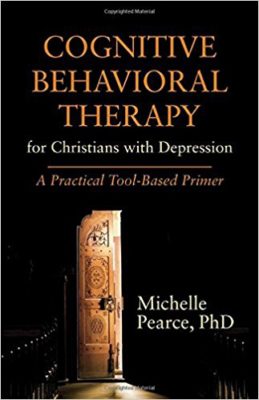
Cognitive Behavioral Therapy for Christians with Depression by Michelle Pearce, PhD is a phenomenal guide to treating religious clients suffering from a depressive episode. It not only provides an evidence based treatment model, but exemplifies the importance of compassion and respect for the client and their values and beliefs that they bring to therapy. Although […]

Tyler Hernandez, M.S.
October 15, 2017

Understanding the Hows and Whys of Group Therapy
In the competition between therapy modalities in the United States today, group psychotherapy is clearly on the ropes. As I write these words, the Commission for the Recognition of Specialties and Proficiencies in Professional Psychology (CRSPPP) of the American Psychological Association is considering another petition offered by APA Division 49 (Group Psychotherapy) to have group […]

Nancy W. Kelly, Ph.D., LCSW
August 6, 2017

Racial Bias Related to Lack of Access to Healthcare
Previous research has demonstrated a clear link between perceived racial discrimination and negative health outcomes for those perceiving and experiencing discrimination. The researchers studied the effect of “actual” racial biases on health outcomes of Blacks (i.e., African-Americans). They measured the predictive strength of Whites’ implicit and explicit racial biases on Blacks’ access to affordable health […]

Patrick Mele + 1 more
May 7, 2017

Finding the Link Between Expectations and Outcomes in Therapy
Premature termination is a pervasive problem in psychotherapy (Garfield, 1994) and campus mental health services are especially vulnerable to increased rates of this problem. Although client expectations have consistently been associated with premature termination (e.g., Callahan et al., 2009; Dew & Bickman, 2005; Reis & Brown, 2006), the role of therapist expectations is still not […]

Austin Drew Pierson, M.S. + 1 more
April 23, 2017

In Therapy, You Must Engage the Child in the Child’s World
Henry Kronengold (2017) invites readers to experience with him a “curious space” of relational connections, playfulness, symbols, and metaphors that characterize psychotherapy with children and adolescents. What is it like for both client and therapist as they tentatively begin a therapeutic relationship, find common channels of communication, solve problems, and make sense of life’s experiences? […]

John W. Seymour, Ph.D., LMFT
April 7, 2017

Errors in Clinical Treatment Surrounding Perinatal Grief
Spontaneous miscarriage is defined as the loss of a pregnancy before the 20th week of gestation and is the most frequent type of perinatal loss, occurring in approximately 10-25% of all pregnancies (American College of Obstetricians and Gynecologists, 2015) and frequently leads to symptoms of depression, anxiety, and traumatic grief reactions (Blackmore et al., 2011; […]

Rayna D. Markin, Ph.D.
March 26, 2017

Framing Treatment Goals with Clients
One of the primary goals of most forms of psychotherapy is to reduce the suffering or distress that clients experience. However, various orientations often differ in how they frame that goal – some focusing more on symptom reduction, others on insight, and still others on personal growth. Clients may also differ in the way that […]

Jake Park, Ph.D.
March 5, 2017

A Deeper Look at Language in the Therapy Room
The authors discuss the role of language for bilingual clients in treatment. They state that in therapy language is the primary means of transmitting information about beliefs and cultural traditions, articulating emotions, and can also be a source of identity. However, despite an increase in culturally competent treatments in recent years, the role of language […]

Daria Diakonova-Curtis, Ph.D.
February 12, 2017

Increasing LGBTQ Receptivity of Treatment
This article discusses findings of a qualitative study with 13 self-identified LGBTQ individuals who had a previous experience with psychotherapy. Utilizing consensual qualitative research (CQR) methods to analyze narratives from the participants, some important themes emerged which provide insights for clinicians to offer treatment that is sensitive to the needs of this population. The participants […]

Wei-Chun “Vivi” Hua, Psy.D.
February 5, 2017

Is Psychotherapy Integration Always Beneficial?
Evidence-based practice in psychology has been defined as the integration of the best available research, clinical expertise, and the individual client’s characteristics, values, and preferences (APA, 2006). This definition suggests that psychotherapists should be able, and willing, to integrate techniques from different theoretical orientations based on the context. Although integration is important, it is also […]

Joshua K. Swift, Ph.D.
January 29, 2017