
Article & Book Reviews
Discover insightful reviews of the latest articles and books in the field of psychotherapy. This section provides critical analyses and perspectives to help you stay informed about the newest trends and foundational knowledge in psychotherapy.
43 articles found

The Case for Mindfulness-based Cognitive Therapy for Diverse Populations
Mindfulness-based cognitive therapy (MBCT) is a form of CBT that has been adapted to reduce maladaptive behaviors while changing individuals’ beliefs and perceptions about his or her own depressive thoughts (as cited in Bell, 2015). MBCT may be a useful intervention for diverse populations. Consequently, Bell investigated the effects of mindfulness meditation on anxiety, depression, […]

Tameisha S. Hinton
January 10, 2017

Becoming an Effective Art Therapist in the Group Format
Although the existing group art therapy literature focuses on identifying art therapy directives and describing the root of group psychotherapy as being geared toward verbal therapy (Liebmann, 2004; Steinbach, 2014), there has been a gap in the literature when it comes to describing the healing components of art in group work. The second edition of […]

Alexia C. Electris, Ph.D., L-CAT
December 31, 2016

Student Experience of Partially Affiliated Internship Consortia
Introduction To complete a doctoral degree in Clinical or Counseling Psychology, a year-long internship during the final year is required (American Psychological Association [APA], n.d.). Yet, the process to obtain an internship accredited by the APA is competitive, with many students needing to relocate to other states across the country due to historical imbalances between […]

Liliana Almeida, M.A. + 10 more
December 31, 2016
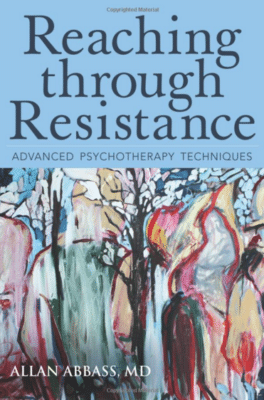
Finding the Right Fit for Intensive Short Term Dynamic Psychotherapy
If you are a psychotherapist of a certain age you no doubt remember the 1982 New York Times Magazine article on Short-Term Dynamic Psychotherapy (STDP; Davanloo, 1980) by journalist Dava Sobel. In contrasting STDP (“the most aggressive form of psychic medicine to rest on the principles of Sigmund Freud”) to traditional psychoanalytic psychotherapy, Sobel noted, […]

David Hellerstein, M.D.
September 22, 2016

Creating a Pro-justice Therapeutic Environment
In his article, Paré explores the way therapeutic conversations can serve as an arena in which both justice can be enacted and injustices can be perpetuated. Paré asserts that, given that our society is not entirely just, and given that therapeutic conversations take place within an unjust context, injustices are inevitably enacted in psychotherapy. In […]

Hayley Fitzgerald B.A. + 1 more
August 18, 2016

Evaluating the Importance of the Therapist-Client Relationship
Currently, there is a paradigm clash between different visions of the nature of psychotherapy. The clash is not merely about what psychotherapy is, how it helps, and how it should be practiced. It is also about the nature of scientific evidence and what the evidence shows about effective practice. In the forward to this book […]

Arthur C. Bohart, Ph.D.
August 2, 2016

Therapist Characteristics that Impact Outcome
Ample research suggests that therapists differ in their level of effectiveness (Baldwin & Imel, 2012; Blow et al., 2007; Wampold, 2001). Even more striking is that therapist effects appear to be larger than treatment effects (e.g., Lindgren et al., 2010). Moreover, therapist training, experience, and theoretical orientation do not appear to explain the majority of […]

Jenelle Slavin-Mulford, Ph.D.
March 13, 2016

Addressing the Taboo Nature of Race Talk
In Race Talk and the Conspiracy of Silence, Derald Wing Sue (2015) discusses reasons that make discussions of race and racism difficult, even in psychotherapy. The author describes the master narrative of Whites and the counter-narratives of people of Color as dialogical exchanges that often result in unproductive conversations about race. The book addresses the […]

Donna Poon, B.S. + 1 more
December 23, 2015

Clients’ Perspectives on Treatment Failure
Despite our best efforts as therapists or supervisors, some clients will fail to improve while in treatment. A significant amount of research has been conducting seeking to identify the client, therapist, treatment, and process variables associated with client change. A number of methods have been developed to decrease the number of clients who stay the […]

Joshua K. Swift, Ph.D.
October 25, 2015

Using Imagination and Literature to Enhance Therapeutic Abilities
Jeremy Holmes (2014) offers here a book, rich with the wisdom of an experienced clinician, that celebrates the imagination as an essential component of the psychotherapeutic process, using examples from literature to provide insight into important aspects of clinical work. He argues that literature and psychodynamic therapy share an “aesthetics” based upon a “paradoxical combination […]

David H. Thurn, Ph.D., LCSW-R
September 28, 2015

A Developmental Model for Healthy Individuation of the Transgender Client
Informed by the author’s 37 years of clinical experience with transgender individuals, this article presents an introductory model for clinicians who provide depth psychotherapy to this population. The author points out that primary concerns of transgender individuals in psychotherapy are often the same as most people; yet developing their transgender self without the “mirroring” from […]

Wei-Chun “Vivi” Hua, Psy.D.
September 24, 2015

Stricter Guidelines for Graduate Admission May Help Solve the Internship Crisis
In 2012, we are facing an internship crisis. The number of trainees registered to participate in the nationwide match sponsored by the Association for Psychology Postdoctoral and Internship Centers (APPIC) has reached an all-time high. Even if all 3,202 internship positions are filled during the two phases of the internship matching process, over one thousand […]

Valentina Stoycheva + 1 more
February 10, 2013