
Diversity
Explore the importance of diversity in psychotherapy practice and research. This section covers topics related to cultural competence, inclusivity, and the ways in which diverse perspectives enhance the therapeutic process.
143 articles found

Caregiver Burden of Schizophrenia in Ethnic Minority Groups
In recent years there has been a huge shift from mental hospitals to home care for individuals with long-term mental illness. The shift from hospitals to homes has resulted in transferring responsibilities for the day-to-day care of patients to their family members (caregivers), resulting in family members assuming the role of nurse, counselor, advocate, and […]

Ivanna Juliusburger, MS
October 31, 2021

Longitudinal Effects of Psychotherapy With Transgender and Nonbinary Clients
Abstract Minority stress has been determined to contribute to some mental health concerns for transgender, nonbinary, and gender nonconforming individuals, yet little is known regarding interventions to decrease the effects of minority stress. The purpose of this pilot study was to assess the feasibility and relative effectiveness of two interventions developed for work with transgender clients. Transgender individuals (N […]

Stephanie L. Budge, Ph.D. + 2 more
October 3, 2021

The Dark Triad and Professional Fighters
Combat Sport is an umbrella term for extreme striking or grappling sports. Wrestling, boxing, kickboxing, judo, and Muay Thai, amongst others, fall under the combat sport category. While some professional fighting disciplines, such as boxing, have been normalized within many cultures/countries, certain combat sports have been the target of recent scrutiny. Mixed Martial Arts (MMA) […]

Olivier van Hauwermeiren, PsyD + 5 more
September 5, 2021

Maternal Mortality and Morbidity
The United States’ maternal mortality rates, in 2018, were 17.4 deaths per 100,000 births, the highest among developed countries (CDC, 2018; Tikkanen et al., 2020). Addressing these alarming rates, the CDC launched the Hear Her Campaign, which aims to save mothers’ lives by 1) raising awareness of warning signs and the potential for illness/loss of life, […]

Kelly Lavin, PhD + 6 more
August 22, 2021

Instagram and Disordered Eating
Social media has become a driving factor in today’s society. It can create and maintain business and social relationships. Of the many social media platforms, Instagram has become a major resource for those using it to follow and share photos for friends and family. It has even become a platform for people to launch their […]

Zoe Ross-Nash, PsyD + 1 more
July 4, 2021
Multi-Theoretical Training as Responsive Treatment
Context Before psychotherapy, there often comes a phone consultation. When I ask prospective clients how they felt about prior therapy, the most common account is of a therapist whom they regarded as a kind, non-judgmental listener, but not much else. They wonder if they were properly challenged, if there could have been more guidance, or […]

Dana R. Falk, Ph.D. + 1 more
June 1, 2021

Psychological Considerations of Pediatric Cystic Fibrosis
Cystic Fibrosis (CF) is the most common progressive, chronic, life-threatening genetic disorder. However, it is still rare. There are around 30,000 cases diagnosed in the United States (Ernst et al., 2011; Kerem et al., 2005). There is no known cure for CF, however, it is common for patients with CF to live into their 30’s. […]

Veronica Grosse, MS
May 9, 2021

Introduction to the New Section
Dear Colleagues and Friends, I am pleased to share with you a new collaboration proposal for the Psychotherapy Bulletin, the section will be named “International Perspectives on Psychotherapy”. This section will aim to know how psychotherapeutic models and techniques are understood, applied, and developed in different regions of the world, described by three authors from […]

Alfredo Padilla-López
March 1, 2021

Eating Disorders in Underrepresented Male Populations
Negligence in treating men who display eating disorder (ED) symptomology begins with the history of the criteria in the Diagnostic and Statistical Manual of Mental Disorders (DSM). For example, in the DSM-IV-TR, to satisfy a diagnosis of Anorexia Nervosa (AN), it states that an assigned woman at birth (AWAB) must, “have an absence of three […]
Zoe Ross-Nash, PsyD + 1 more
February 27, 2021
Transgender Youths and Eating Disorders
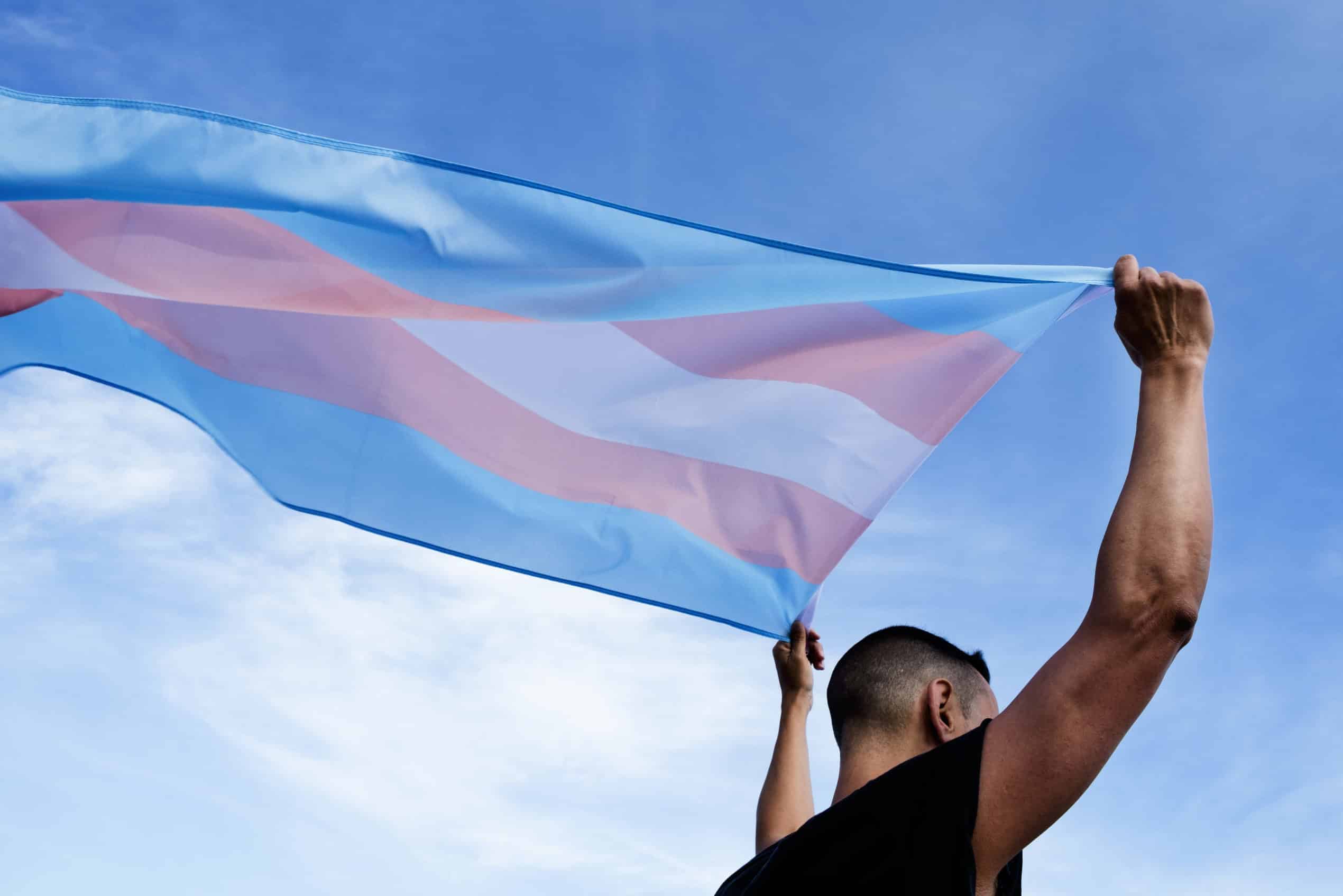
Stereotypes of eating disorders perpetuate common misconceptions regarding who may be at risk for their development. The stigma of disordered eating is that it only affects young, White, cisgender, high socioeconomic status (SES) women. As researchers and clinicians continue to challenge the stigmas associated with eating disorder pathology, it is increasingly evident eating disorders do […]
Veronica Grosse, MS
January 24, 2021

Utilizing Social Support in Treating Complex Trauma in Sexual and Gender Minorities
Sexual and gender minorities (SGM) are those who identify as lesbian, gay, bisexual, transgender, and queer or questioning. All other affectional and sexual orientations and gender identities are represented by a “plus” (LGBTQ+). Sexual orientation refers to one’s sexual attraction, and affectional orientation refers to one’s emotional attraction towards others (Ginicola, Smith, & Filmore, 2017). […]

Korey Abbriano, M.A., M.S. + 1 more
December 6, 2020

Allyship in Academia
It’s hard to talk about race. Actually, that’s not the case. As an academe, race and racism are relatively easy topics to discuss because academic disclosure requires very little self-reflection. In psychological academia, we’re encouraged to minimize disclosure and keep our professional boundaries high. This mentality works in the contexts of psychotherapy and research, but […]

Tye Stephens, MA
August 2, 2020