
Diversity
Explore the importance of diversity in psychotherapy practice and research. This section covers topics related to cultural competence, inclusivity, and the ways in which diverse perspectives enhance the therapeutic process.
143 articles found

与儿童青少年工作时,怎么做知情同意?
知情同意为治疗关系和心理治疗奠定了基础它体现了治疗师尊重当事人的合法权利,并为当事人提供机会就所参与的治疗做出知情决定。Barnett, Wise, Johnson-Greene和Bucky(2007)强调了适当实施知情同意程序的潜在好处: 这是一个协作过程,为心理治疗关系定下基调,促进治疗同盟。 它促进了治疗关系中的共同决策权。 它促进了当事人的自主性,并授权当事人在治疗中发挥积极作用。 通过这种信息共享和协作决策过程,它最大程度降低了对当事人的剥削和伤害的风险。 伦理守则和每一个心理健康专业在许可的法律法规中,也要求知情同意的程序是必须的,且许可的法律法规也明确了知情同意的法律要求和义务。其中一项要求是该司法管辖区的法定年龄,以及未成年人在何种情况下享有与成年人相同的权利来表示自己的同意。在每个司法管辖区的许可法律和法规中,对法定成年人同意治疗的要求有多种例外情况,在开始与未成年人进行临床工作之前,必须了解并理解其中的每一项。 Snyder和Barnett(2006)表示,要使知情同意有效,必须满足四个标准: 必须自愿给予同意。 当事人必须有能力(在法律上以及认知/情感上)给予同意。 我们必须积极地确保当事人理解她/他同意的内容。 共享的信息和所有同意的内容必须记录在案。 在未成年人的治疗中想要获得他们的知情同意时,这些标准中的前三项具有特殊意义。 当事人是谁? 儿童和青少年可能会在多种情况下接受治疗。他们可能会被父母带去治疗,他们可能会被监护人(个人或儿童保护服务或社会服务部等机构)带去治疗,或者他们可能会自行寻求治疗。重要的第一步是确定心理治疗师对每一方应承担的义务(Fisher, 2009)。我们通常认为当事人是接受心理治疗的人。但是,情况并非总是如此。《心理学家的伦理守则和行为准则》(APA伦理守则; APA, 2010)在标准3.07条《第三方服务要求》中解决了这一问题。正如本标准所述,“心理学家应试图在服务开始时澄清与所有相关个人或组织的关系性质”(第六页)。 在这些情况下,“当事人”实际上可能是接受心理治疗的儿童或青少年以外的组织或个人。因此,知情同意过程对于澄清角色、责任和期望非常重要,并且在提供治疗前一开始就达成了协议。 这些协议包括关于保密性及其限制的决定、第三方在儿童或青少年治疗中可能扮演的角色(如有)、谁将参与制定治疗目标以及谁将同意治疗计划。 知情同意 除非在符合某一管辖范围内的法律允许的某些例外情况下(例如,未成年人结婚或参军,已获得自由的未成年人),未成年人通常不得自主决定接受治疗。但是,这并不意味着他们不应该在知情同意过程中发挥任何作用。根据未成年人的年龄和发展水平,未成年人在知情同意过程中的参与程度可能各不相同。 即使在父母或监护人法律上是“当事人”的情况下,出于临床和伦理原因,将未成年人(我们服务的直接接受者)纳入信息共享和决策过程也很重要。对于非常年幼的孩子来说,获得他们对治疗的同意是很重要的。 同意与知情同意的不同之处在于,同意涉及与孩子共享信息,以便她/他了解要提供的服务、过程的性质、心理治疗师的角色和孩子的角色以及其他相关信息。目标是在孩子可能理解的水平上与孩子分享基本信息。这样做可能有助于鼓励未成年人参与治疗的建议过程,并促进更加合作和有效的治疗关系。 随着未成年人的年龄和发展水平的提高,他们理解心理治疗过程的性质和变迁、各方的角色、责任和义务的能力通常也会增强,因此,正如McCabe(2006)所表明的那样,将同意和知情同意视为一个连续统一体是有帮助的。随着未成年人参与信息共享和决策过程的能力提高,在父母同意的情况下,他们应该在这个过程中发挥更大的作用。 将未成年人纳入知情同意程序 即使他们还没有合法权利同意接受治疗,研究表明,许多未成年人具有认知和情感能力来理解他们决定(包括医疗保健决定)的后果。事实上,年仅12岁的未成年人经常具备这种能力(Redding, 1993)。虽然他们可能没有合法权利对自己的治疗提供知情同意,但许多未成年人可能能够在决策过程中成为积极的合作伙伴。而且,他们的发展水平随着时间的推移而提高,应重新审视信息共享和决策过程,以便为未成年当事人提供机会尽可能充分参与这一过程。 此外,将发展程度更高的未成年人纳入这一过程有许多临床原因: 表现出对未成年人及其自主权的尊重。 有助于促进治疗同盟和治疗关系 有助于为未成年人赋能,并且 它传达的信息是,未成年人将会积极参与她/他自己的治疗(Lind, Anderson, Oberle, 2003) 在此过程中协商父母的权利 父母或监护人有合法权利同意其未成年子女或青少年的治疗,决定治疗过程的相关事项,并有可能完全获得心理治疗过程中的所有信息;但是,我们必须在实践层面上考虑这样做是否合适。 心理治疗师应该考虑,在临床上这是否是进行心理治疗的可行方法。 心理治疗师应根据目前的临床情况仔细考虑未成年人的意愿和偏好。此外,我们应该考虑什么最合适实现心理治疗的目标。例如,如果一个15岁的孩子知道在治疗中分享和讨论的所有内容,每周都会向她/他的父母详细披露,那么,心理治疗的效果会如何?这种安排对分享的程度以及未成年人对心理治疗师的信任程度会产生什么影响? 因此,虽然父母和监护人对其未成年子女确实拥有某些法律权利,但这些权利可以在知情同意过程中协商。可以告知父母,为了使治疗有效,必须为未成年人提供一定程度的保密性。正如Koocher解释的那样:“我们通常可以说服父母同意尊重治疗关系的隐私,尤其是如果他们觉得心理治疗师和他们一样关心并重视孩子的安全。”(Barnett, Behnke, Rosenthal, & Koocher, 2007, p.12) 治疗师可以向各方解释,某些主题和问题将在心理治疗关系的范围内得到解决,并且只有在超过某些阈值时,才会与父母或监护人共享这些机密信息。治疗师可以向父母或监护人分享这些情况的例子,以说明何时会发生这种情况,例如对未成年人或其他人的安全造成重大风险时。 实践建议 了解您所在司法管辖区,有关同意在什么年龄以及未成年人何时有权同意接受自己治疗的法律。 从一开始就明确法律义务,确定谁有权同意治疗。 确定各方参与知情同意过程的意愿和能力。 当未成年当事人未获得法律授权提供她/他自己的知情同意时,请寻求他们的同意,并以符合其智力和发展水平的方式向他们解释与治疗相关的信息。 […]

Caroline Coffman + 3 more
September 12, 2023

谢谢你,没有逼我热爱生活
心理治疗的成功在很大程度上依赖于关系技能,自杀患者的治疗也不例外(Norcross & Lambert, 2018)。然而一个并不理想的情况是,很多自杀患者报告说,他们的治疗师并没有总是表现出那些基本的关系品质(例如, Blanchard & Farber, 2020; Hom et al., 2020; Hom et al., 2021; Richards et al., 2019a; Richards et al., 2019b)。 自杀患者关于心理治疗中什么帮助了他们,或什么没有帮助到他们的报告,对心理治疗训练者和督导师而言或许是一种帮助,让他们在自己的工作中补充对证据支持的关系的介绍。 针对自杀患者的质性研究表明,他们希望心理治疗师能够:(1)不加评判地倾听他们;(2)对他们的表露做出适当的反应;(3)允许他们对治疗期间发生的事情保有发言权。 倾听我 心理治疗的一项基本技能是对患者表达共情的能力(Norcross & Lambert, 2018)。当被问到他们的治疗师可以如何提高服务质量时,近三分之一有自杀倾向的患者指出了倾听的重要性(Hom et al., 2021)。他们希望治疗师: “积极倾听患者所说的话” “当我们正在尝试回答你们的问题时,不要打断” “倾听他们(患者)的体验,并相信他们知道自身的感受,知道他们需要什么来好好生活” 当被问到心理治疗中的什么对他们有帮助时,自杀患者同样强调了倾听与理解(Schembari et al., 2016, p. 220): “被倾听,被认真对待的感觉” “正是有个人理解我的感受有多糟糕” 适度的反应 许多患者报告说,对于他们的表露,治疗师要么反应过度,要么反应不足。 一些专业人员在没有考虑患者的意见,或彻底评估情况的前提下,就断定他们需要住院(Richards et al., 2019b): “我总是遇到一个问题,就是一旦事情开始变得困难,他们就立即建议我去精神病院” “就好像是……(医院是)他们的首选,而它本应该是最后的选择”。 […]

Samuel Knapp, Ed.D., ABPP + 3 more
September 6, 2023

Gab with the Greats
We are thrilled to announce an upcoming event that promises to be both enlightening and inspiring: Gab with the Greats virtual gathering. This event is taking place on Monday, September 18th, 2023 from 10:00 – 11:30 (ET) via Zoom! Organized by the Early Career Psychology Domain within the Society for the Advancement of Psychotherapy (Division 29 – APA), this event includes three distinguished […]

Society for the Advancement of Psychotherapy
August 20, 2023

Integrating culture and religion/spirituality with evidence-based treatments for underserved groups
Individuals from minoritized backgrounds often lack access to adequate evidence-based care. Many are reluctant to seek professional psychological help (Cook et al., 2017), and those who do are more likely to drop out of treatment prematurely (Mowbray et al., 2018). The underutilization of mental health treatment is in part due to higher stigma of mental […]

Salman Shaheen Ahmad, M.S. + 2 more
January 5, 2023

Psychotherapy Approaches to Racial Trauma
APA Division 29 is excited to sponsor a CE workshop on Psychotherapy Approaches to Racial Trauma BY Lillian Comas-Diaz, PhD The workshop will be held live and virtually on Friday, October 28th 1- 3 PM EDT. Registration is free to Division 29 members and participants will receive 2 ethics CE credits for participating. If you […]
Society for the Advancement of Psychotherapy
September 22, 2022

A Synopsis of Treatments for Black Women Following Intimate Partner Violence
The purpose of this paper is to assist non-Black therapists address critical issues when treating Black women who have experienced intimate partner violence (IPV). This paper was written from a place of cultural humility in an effort to educate on how to provide culturally relevant treatment, rather than an attempt to speak for Black women. […]

Kaitlin Forestieri, PsyD + 1 more
June 1, 2022
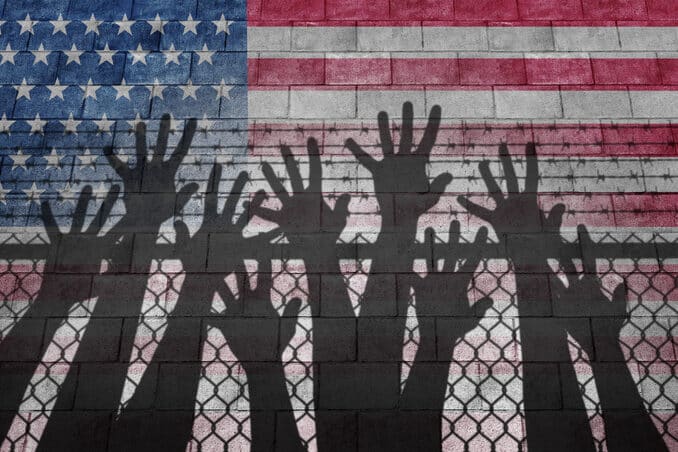
Improving Access to Mental Health Supports of Undocumented Immigrants
The voices of hope, courage, and perseverance ring strong for the approximately 590,000 deferred-action for childhood arrivals (DACA) recipients, often called ‘Dreamers’ (American Immigration Council, 2021; Guter et al., 2017): “Having an actual identity in this country gave me life.” “I just can’t imagine going under the shadows again.” “¡No me callo, no me siento, […]

Anniette F. Maldonado, MSEd, BCBA
June 1, 2022

Anti-oppressive Work is Trauma-Work
Look at me But please Don’t look at me In this op-ed, I propose a novel perspective for engaging in anti-oppressive work within classrooms. But first, I provide a framework to better explain why this approach may be necessary for disentangling and de-threading the oppressive fabric that exists in every single one of us. In […]

Amira Y. Trevino, B.S.
June 1, 2022

Responsibility and Cultural Adaptations in Psychotherapy
Who Am I María Celeste Airaldi is Director of the Sensorium Institute, in Paraguay, a center specialized in psychology, and is a professor at the Catholic University “Nuestra Señora de la Asunción”, also in Paraguay; she is also a Level 2 Faculty Trainer at the Albert Ellis Institute in New York. She was trained as […]

Maria Celeste Airaldi
March 24, 2022

To Conceal or Not to Conceal
Abstract Supervision is often conceived of as the “instructional strategy that most characterizes the preparation of mental health professionals” (Bernard & Goodyear, 2019; p. 2). Engaging in this process fully and authentically inevitably involves being vulnerable in front of and with one’s supervisor in an effort to learn and grow. To more fully understand the […]

Joanna M. Drinane, Ph.D. + 3 more
March 6, 2022

Dads Experience Postpartum Anxiety Too
Have you ever heard of postpartum anxiety in women? How about for men? Postpartum depression is commonly discussed for mothers and fathers, but what about anxiety? Research often subsumes postpartum anxiety with postpartum depression, especially since there is not a separate diagnosis or subtype for postpartum anxiety in The Diagnostic Statistical Manual of Mental Disorders […]

Kourtney Schroeder, Psy.D.
February 13, 2022

Addressing Whiteness in Psychotherapy
In this video, Natasha Stovall, PhD, psychologist and activist, joins Daniel Gaztambide, PsyD, to talk about addressing Whiteness in psychotherapy. Natasha talks about how Whiteness and White Supremacy are enacted in the consulting room, and helps us think through how we can think clinically about race not just with patients of color but with White […]

Natasha Stovall, PhD + 1 more
November 21, 2021