
Assessment & Treatment
Focused on the critical aspects of assessment and treatment in psychotherapy, this section offers resources, guidelines, and discussions on effective diagnostic and therapeutic strategies to improve client outcomes.
277 articles found

A Primer on Educative-Experiential Psychotherapy
The Educative Aspect of the Educative-Experiential Model The educative-experiential (EE) model is educative in that the knowledge of human behavior embedded in the fundamental disciplines of this approach is thoughtfully and thoroughly explained to clients within an experiential framework. For instance, to normalize teen behaviors, clinicians might introduce the work of Erikson (1950), Marcia (1966), […]

Michael Pica, PsyD
September 10, 2025

From Data to Intervention: Four International Case Studies of Practice-Research Networks in Mental Health
Abstract The gap between psychotherapy research and clinical practice remains a significant challenge, hindering the translation of evidence into real-world settings and the generation of practice-based evidence. Practice-research networks (PRN) have emerged as a powerful collaborative model to bridge this divide. This paper presents and synthesizes insights from four distinct international PRNs to illustrate their […]

Stewart E. Cooper, Ph.D., ABPP + 5 more
September 10, 2025
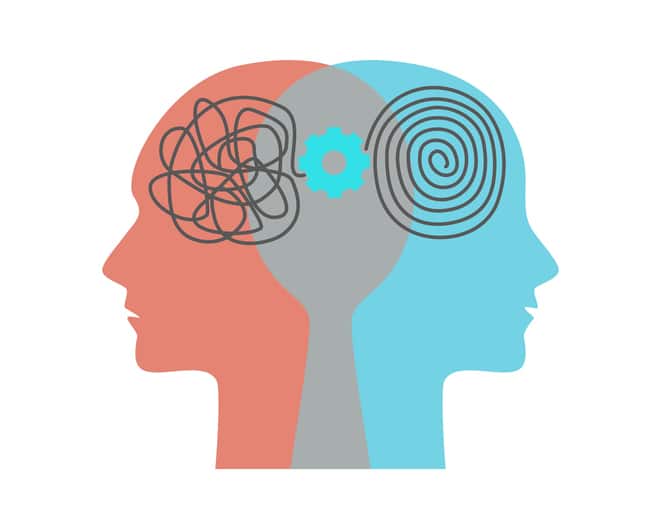
A Meeting of Brains: Inter-Brain Synchrony and Plasticity in the Clinic
The in-session relationship between therapists and clients has been widely recognized as an essential component of the therapeutic meeting (Baier et al., 2020). One of the key relationship-building mechanisms used across interpersonal interactions is synchrony, or the tendency to coordinate their verbal and non-verbal behaviours. There are a variety of types of behavioural synchrony that […]

Haran Sened, PhD + 1 more
September 8, 2025
Pitfalls in Ethical Decision-Making: Settling, Fading, and Drift in Psychological Practice
The American Psychological Association’s Ethical Principles and Code of Conduct (2017) provides the foundations and standards for addressing ethical practice. However, these standards cannot provide direction for psychologists in every situation (Cicero, 2021). Therefore, psychologists need a decision-making model when ethics codes or laws do not provide adequate direction. Nonetheless, practitioners frequently encounter subtle processes […]

John Gavazzi, PsyD, ABPP + 1 more
September 8, 2025

From Clinical Judgment to Machine Learning: Rethinking Psychotherapeutic Decision-Making with Artificial Intelligence
According to the World Health Organization (WHO; n.d.) mental health disorders, such as anxiety disorder, bipolar disorder, schizophrenia and post-traumatic stress disorder (PTSD), are some of the most significant public health challenges in the WHO European Region. Within this region (which includes 53 countries across Europe and parts of Central Asia), mental health disorders are […]

Caleb Onah, MS + 1 more
August 10, 2025

Increasing Accessibility to a Brief, Couple-Based Group Intervention for Veterans and their Intimate Partners: A Quality Improvement Project
Introduction Veterans experience relationship difficulties including divorce (Cohan et al., 2005; Mouritsen & Rastogi, 2013) and intimate partner violence (McGinn et al., 2017) at higher rates compared to non-Veterans. Veteran intimate relationships also present risk and protective factors for Veteran mental health service utilization (Logan et al., 2012), morbidity (Bolkan et al., 2013; Martin et […]

Narayan B. Singh, PhD, ABPP + 4 more
May 19, 2025

Anorexia Nervosa in Chinese Women and Adolescents
Anorexia nervosa (AN) is a chronic and debilitating mental illness characterized by an intense fear of weight gain, restriction of energy intake leading to significant weight loss that interrupts the developmental trajectory, and distorted body image (American Psychiatric Association, 2013). AN is considered the deadliest mental illness and is particularly difficult to treat due to […]

Dalemarie Johannesson, MS + 1 more
May 5, 2025

Psychotherapy – Volume 62(2)
Official Journal of the Society for the Advancement of Psychotherapy, APA Division 29 Interested in learning more about the journal? Click here to meet our editors and dig deeper into this invaluable resource for clincians!

Society for the Advancement of Psychotherapy
April 24, 2025

Abuse and Burnout in Health Profession Workplace Environments
The concept of a work environment, especially after the COVID-19 pandemic, has shifted immensely. Work environment encompasses the system, people, responsibilities, salary, location, structure, and conditions where one completes expected tasks. Unsurprisingly, one’s work environment has a significant impact on productivity and overall well-being. It is estimated that 80% of difficulties regarding employee productivity are […]

Zoe Ross-Nash, PsyD + 1 more
February 9, 2025

Best Practices in Psychedelic-Assisted Group Psychotherapy
Psychedelic-assisted group psychotherapy (PAGP) is an emerging therapeutic approach that harnesses the neurophysiological effects of psychedelic substances within a group setting to address various mental health conditions, including post-traumatic stress disorder (PTSD), substance-use disorders, major depressive disorder, and anxiety disorders. Rooted in centuries-old indigenous practices where they were used as sacred tools for healing, community […]

Gabriella Rodriguez, B.A. + 1 more
February 5, 2025

Associations Between Generalized Shame and Emotional Processing Difficulties Among Individuals Seeking Mental Health Care
Clinicians interested in supporting individuals with emotional processing difficulties play a critical role in fostering wellbeing, as emotional experiences deeply influence cognitive, behavioral, and social functioning. For those in psychotherapy, understanding the mechanisms of emotional processing is essential as it involves integrating unpleasant or disturbing emotions to maintain focus, adapt to varying experiences, and uphold […]

Alicia Spidel, PhD + 1 more
January 20, 2025

Making Space for Spirituality While Treating Substance Use Disorders
As a graduate student new to addiction treatment, I have felt a growing curiosity about the degree to which spirituality is brought into psychotherapy. I attend a private religious university, thus my first therapy patients routinely spoke of God, recited scripture, or wrestled with interpretations of morality. This simultaneously became a sublime and perilous feature […]

Aileen Rands, MS
January 4, 2025