
Tag
alliance
Articles tagged "alliance".
55 articles

Therapeutic Alliances with Families
With this book, the therapeutic alliance with couples and families research has finally coalesced into a skilful and wise clinical tool. In the last ten years there have been a plethora of books (Sprenkle at al 2009) and papers (Higham 2012) raising the importance of attending to the therapeutic alliance for couple and family therapists. […]

Mark Rivett
September 30, 2018

The Role of Therapists Crying in Therapy
An important aspect of psychotherapy is the therapist’s reactions to his or her client during session (Kahn & Fromm, 2001; Summers & Barber, 2010). One type of emotional expression that has garnered interest throughout the psychological literature is the phenomenon of therapists crying with their patients (McWilliams, 1994; Alden, 2001; Summers & Barber, 2010; Guntrip, […]

Taylor Rodriguez, B.S. + 1 more
January 14, 2018

Paying Attention to the Details
The past 100 years of psychotherapy research has sought not only to examine the efficacy and effectiveness of psychotherapy, but also to identify the causal mechanisms and processes underlying therapeutic change (Lambert, 2013; Wampold & Imel, 2015). The existing research on psychotherapy processes has provided us with a rich understanding of several variables that are […]

Joshua K. Swift, Ph.D.
November 6, 2017

What You Don’t Know Might Hurt You
Clients request, question, or reject information related to their diagnoses at various times, and in a myriad of ways (e.g., “My partner says I have Borderline Personality Disorder, do I?”, “My mood is all over the place! Do you think I’m bipolar?”, “Maybe it’s ADHD?”). At intake, clients seek clarification of the nature of their […]

Sara Beth Austin, M.A. + 1 more
August 6, 2017

Facilitate Memorable Terminations
Facilitate Memorable Terminations with Awareness, Courage and Love Functional Analytic Psychotherapy (FAP), a contemporary contextual behavioral therapy grounded in empirically supported principles, harnesses the power of the therapeutic relationship and maximizes the therapist’s genuineness, compassion and effectiveness. FAP focuses on how therapists can notice and respond effectively to client daily-life problems when they also occur […]

Holly Yates, M.S., LPC + 3 more
July 30, 2017

Addressing and Managing Resistance with Internalizing Clients
Sigmund Freud originally described psychological resistance as a phenomenon wherein patients unconsciously “cling to their disease” through “tenacious” and “critical objections” in order to repress distressing thoughts, emotions and experiences as they are raised by the therapist (Freud, 1904; 1920; 1940). This understanding—a somewhat patronizing view that pitted expert doctor against oblivious patient—persisted in the […]
Sara Beth Austin, M.A. + 1 more
June 18, 2017

Ending Therapy
Termination of the Therapy Relationship As with all relationships, a therapeutic relationship has a beginning and an end. The end of a therapeutic relationship often offers an opportunity for the therapist and client to engage in the termination process, which can include looking back on the course of treatment, helping the client plan ahead and […]

Avantika Bhatia, Ph.D.
June 11, 2017
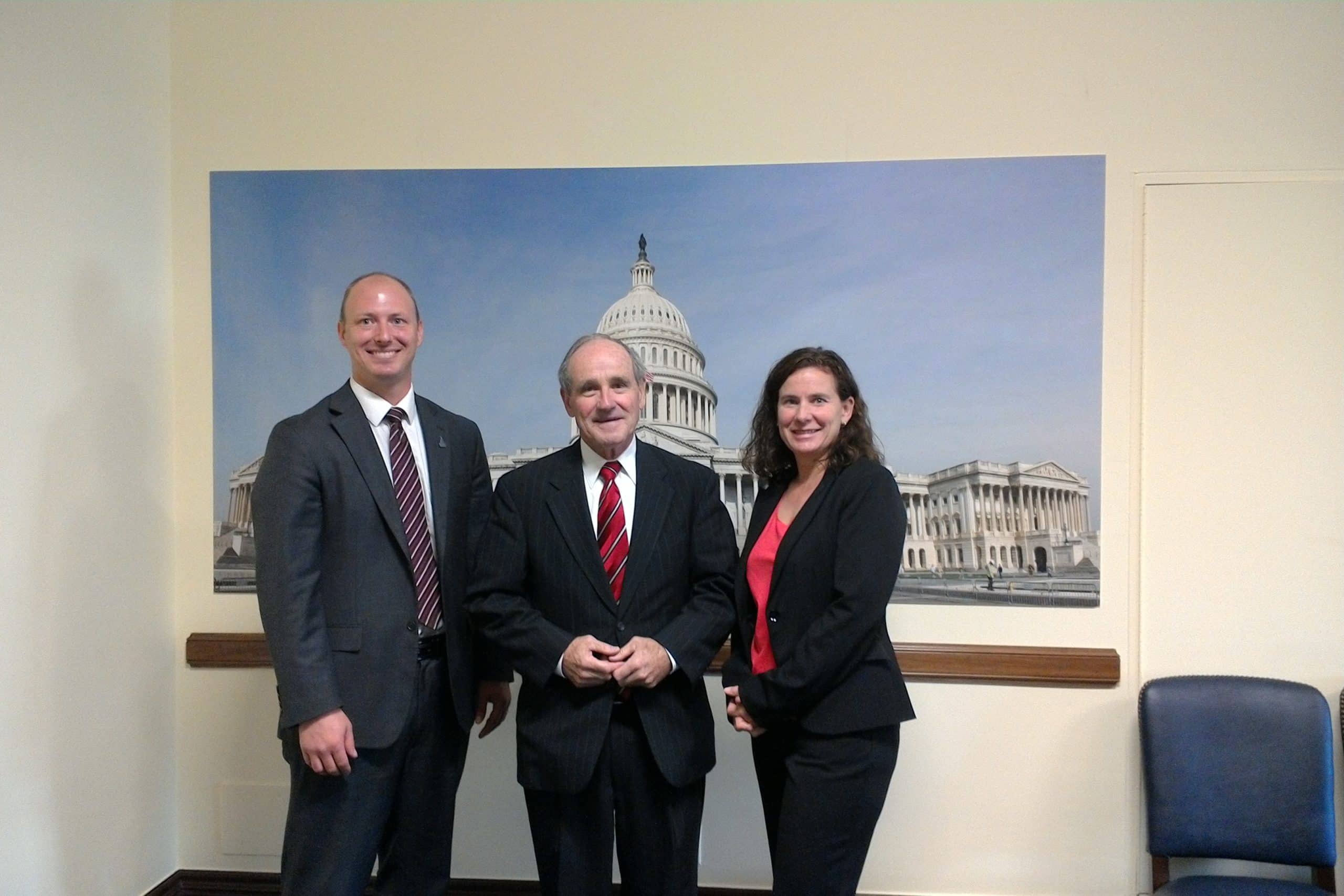
Advocating to Support Graduate Student Education
From October 17th through the 20th I had the opportunity to represent Division 29 at the American Psychological Association Education Leadership Conference in Washington, DC. The focus of the conference this year was Translating Psychological Science to Educational Practice, Policy, and the Public. There were many wonderful speakers who talked about using psychological principles as […]
Joshua K. Swift, Ph.D.
April 7, 2017

In Therapy, You Must Engage the Child in the Child’s World
Henry Kronengold (2017) invites readers to experience with him a “curious space” of relational connections, playfulness, symbols, and metaphors that characterize psychotherapy with children and adolescents. What is it like for both client and therapist as they tentatively begin a therapeutic relationship, find common channels of communication, solve problems, and make sense of life’s experiences? […]

John W. Seymour, Ph.D., LMFT
April 7, 2017

Expert Pantheoretical Advice for Psychotherapy Termination
Psychotherapy research has made significant strides over many decades in identifying treatment ingredients that bode well for a successful outcome (Greenberg, 2016; Lambert, 2013; Norcross, 2011). Yet, relatively little empirical evidence or transtheoretical consensus has been produced about the closing moves in effective terminations. Instead, attention has more frequently been turned to the problem of […]

Roger P. Greenberg, Ph.D. + 2 more
March 19, 2017

Individual Differences and the Process of Informed Consent
The importance of considering individual differences and diversity in our clinical work has rightly received increased attention in recent years. The relevance of individual differences and diversity to all aspects of the professional services psychologists provide is clearly articulated in the Ethical Principles of Psychologists and Code of Conduct (Ethics Code, APA, 2010) in Principle […]

Jeffrey E. Barnett, Psy.D., ABPP + 1 more
March 12, 2017

Fostering Engagement During Termination
Abstract Therapists often struggle to determine the most important things to focus on during termination. Reviewing the treatment, identifying plans for the future, summarizing positive gains, and saying goodbye receive the most attention. Despite our best intentions, termination can end up becoming intellectualized. Attachment theory and recent developments in neuroscience offer us a road map […]

Cheri L. Marmarosh, Ph.D., ABPP, CGP
March 12, 2017