
Assessment & Treatment
Focused on the critical aspects of assessment and treatment in psychotherapy, this section offers resources, guidelines, and discussions on effective diagnostic and therapeutic strategies to improve client outcomes.
277 articles found

Integrating Mindfulness into Psychotherapeutic Practice
A client once described conflict at work “came out of nowhere.” Meetings would escalate quickly, leaving them feeling overwhelmed and reactive. When we slowed the moment down in session, something different emerged. As the client spoke about a recent disagreement, my favorite question to ask clients is: “What do you notice in your body right […]

Anne Bello, PhD
May 13, 2026

Beyond Symptom Management: Existential/Humanistic Treatment for Combat Veterans
One observation of military veterans who served in Beirut, Afghanistan, and Iraq is their presentation and experience of persistent hypervigilance, avoidance, emotional constriction, and transitional forms of disillusionment. These symptoms may be part of a larger trauma response and mask unresolved affective states that should be addressed as a regular component of treatment. The recommended […]

Michael Pica, PsyD
May 8, 2026

The Projective Assessment Integration System (PAIS): A Guide for Student Clinicians in Training
When administered, scored, and interpreted correctly, projective assessments remain pivotal in assessing emotional functioning, problem-solving, interpersonal style, and linearity of thought. Critics of projective testing point to problems with validity, inter-rater reliability, and subjective preconceptions that may limit the generalizability of the results (Lilienfeld et al., 2000). However, there are a plethora of valid and […]
Michael Pica, PsyD
May 8, 2026

Why the Health of Americans Will Decline and What Psychotherapists Should Do About It
Compared to Peer Countries, Americans Are Sicker One metric of a country’s overall health is its citizens’ life expectancy from birth. Life expectancy in the United States peaked at 79.3 years in 2024, with only negligible increases in recent decades. In contrast, life expectancy in other high-income countries has increased significantly over the same period […]

Samuel Knapp, Ed.D., ABPP
May 6, 2026

Social Nutrition or Social Malnutrition: Addressing Loneliness in Ourselves and Others
As social animals, we all require social nutrition, which involves regular and meaningful interactions with others (Kornblith et al., 2022). The absence of this vital nourishment can lead to social malnutrition or loneliness, a profoundly personal experience that arises from the gap between our desired and actual social connections. Loneliness is not the same as […]
Samuel Knapp, Ed.D., ABPP + 2 more
May 5, 2026

Partner-Involved Approaches to Insomnia and Sleep Apnea: Integrating Sleep Science into Psychotherapy with Individuals and Couples
Sleep complaints are among the most common issues that present in psychotherapy with growing evidence demonstrating that insufficient or disrupted sleep contributes to a broad range of physical, psychological, and public-health concerns. Further, epidemiologic and meta-analytic findings show that insomnia is an independent risk factor for cardiovascular disease, hypertension, and type 2 diabetes even when […]

Bruce D. Forman, PhD
May 5, 2026

Clinician Stigma Toward Narcissistic Personality Disorder: Implications for Assessment, Treatment, and Clinical Practice
Introduction Narcissistic personality disorder (NPD), as defined by the Diagnostic and Statistical Manual of Mental Disorders (DSM-5-TR; American Psychiatric Association, 2022), is characterized by patterns of grandiosity, a need for admiration, and a lack of empathy. However, this definition limits the full representation of the disorder, primarily omitting the essential component of vulnerability (Crisp & Gabbard, […]

Deanna Young, PsyD + 1 more
April 26, 2026

Reclaiming Psychotherapy: A Health-Centered Alternative to the Western Medical Paradigm Offered by Traditional Chinese Medicine
Abstract The dominant Western medical model in psychotherapy, centered on illness and problems, has revealed limitations including over-pathologization and poor treatment outcomes. This paper proposes Traditional Chinese Medicine (TCM) as a robust, health-centered alternative paradigm. TCM offers a holistic, person-centered approach that views mental health as inseparable from physical health, emphasizing balance (Pínghéng Guān平衡), unity […]

Changming Duan, Ph.D. + 8 more
March 19, 2026

Influence of Autism Diagnosis on Anorexia Nervosa Pathology and Prognosis
My Story: Development Through the Lifespan I was a happy child, with many saying I was quirky, in my own world, but appeared content to be there. However, as I got older, I noticed increasing turbulence in how I was feeling, becoming far more aware of feeling different. It felt like everyone around me got […]

Fiona Hollings, BS + 2 more
November 30, 2025

Reel Reflections: Movies for Cultural Awareness and Psychotherapy
In a refreshing and knowledgeable manner, the authors present a thesis on social justice, identity and anti-racism through the use of media. Drs. Comas-Díaz, Abdulrehman, and Wedding combine film and miniseries as lenses through which to “witness ourselves and others,” and as ways to increase cultural awareness in a manner that is both poignant and […]

Jerrold Lee Shapiro, Ph.D.
November 14, 2025

The Impact of Divorce on Families and Therapeutic Resolutions
Divorce disrupts family structures and emotional bonds, creating lasting effects for both children and parents. It alters roles, routines, and relationships within the family system and impacts each family member differently. This paper explores the psychological and interpersonal impacts of divorce, especially on children and parents, and outlines therapeutic methods to support post-divorce adjustment. The […]

Samer Shebak, MA
November 11, 2025
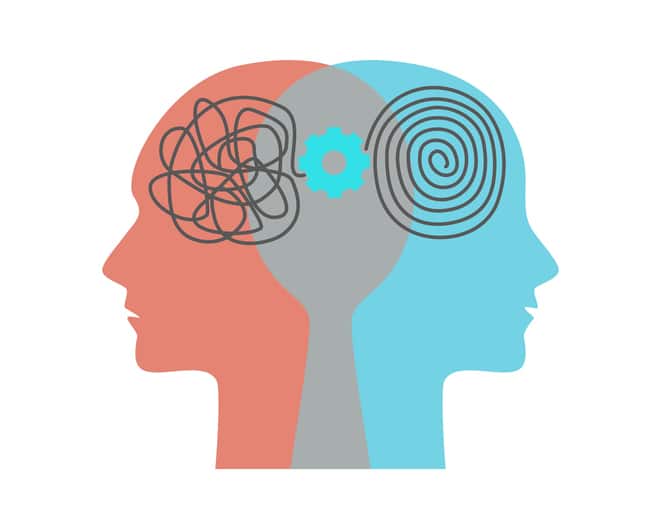
The Maintenance of Self-Preservation in Narcissistic Personalities: Suggestions for Partners, Family Members, and Friends
Abstract This paper examines narcissistic personality disorder as a psychological reaction against internal fragmentation brought on by the activation of unresolved core maladaptive emotional states that shape a foundational sense of self. The goal for the individual exhibiting narcissistic behavior is to maintain self-preservation. Restorative regression can cause interpersonal damage that may leave partners, family […]
Michael Pica, PsyD
October 20, 2025