
Tag
science & scholarship domain
Articles tagged "science & scholarship domain".
28 articles

Making Psychotherapy Scalable by Teaching Nonprofessionals to Deliver Treatment to Each Other
Decades of psychotherapy outcome research and countless meta-analyses show that psychotherapy works. Unfortunately, psychotherapy is a luxury afforded to few. Only a minority of people with mental illness receive treatment (Kessler et al., 2005), due to both attitudinal barriers (e.g., stigma, desire for self-reliance) and structural barriers (e.g., cost, provider availability; Mojtabai et al., 2011). […]

Samantha L. Bernecker, M.S. + 1 more
May 4, 2018

Publishing Psychotherapy Research
Throughout 2017, the Psychotherapy Research Committee and the Scholarship Domain have been providing Psychotherapy Bulletin articles with recommendations for sharing our research with others. In the first Bulletin issue of the year, we included suggestions for sharing our research with policy makers. In the second issue, we focused on sharing our research with psychotherapy clients. […]

Joshua K. Swift, Ph.D. + 1 more
December 30, 2017

Paying Attention to the Details
The past 100 years of psychotherapy research has sought not only to examine the efficacy and effectiveness of psychotherapy, but also to identify the causal mechanisms and processes underlying therapeutic change (Lambert, 2013; Wampold & Imel, 2015). The existing research on psychotherapy processes has provided us with a rich understanding of several variables that are […]
Joshua K. Swift, Ph.D.
November 6, 2017
Psychotherapists as Professional Communicators
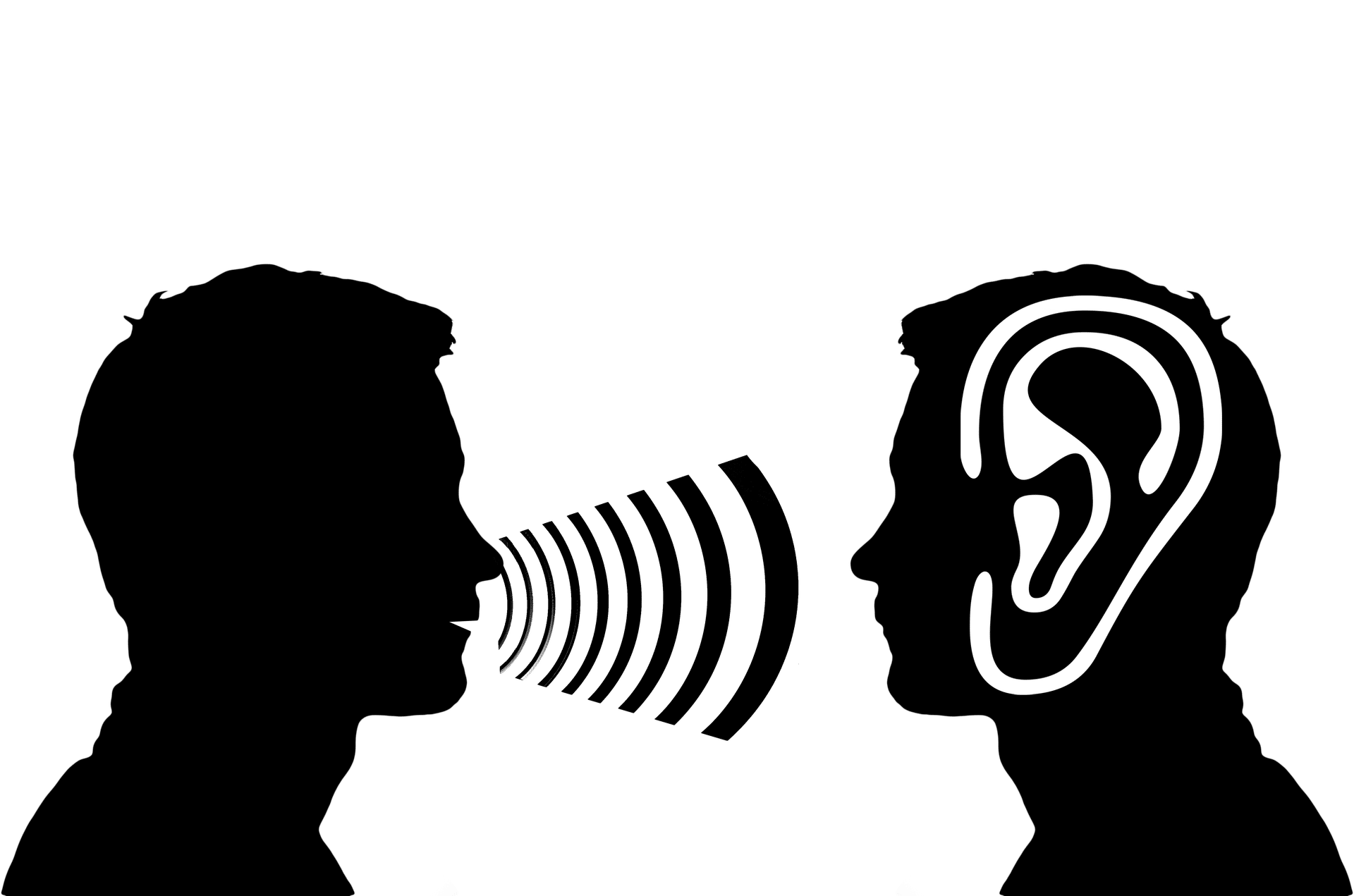
Communication With the General Public If you were to meet me at a party, you might be forgiven for thinking that I am being purposefully rather vague about what I do for a living. When people ask me, I tend to answer with something like: “. . . I am a psychotherapist.” After the usual […]

Katie Aafjes-van Doorn, DClinPsy
October 22, 2017

Finding the Link Between Expectations and Outcomes in Therapy
Premature termination is a pervasive problem in psychotherapy (Garfield, 1994) and campus mental health services are especially vulnerable to increased rates of this problem. Although client expectations have consistently been associated with premature termination (e.g., Callahan et al., 2009; Dew & Bickman, 2005; Reis & Brown, 2006), the role of therapist expectations is still not […]

Austin Drew Pierson, M.S. + 1 more
April 23, 2017
Science Advocacy
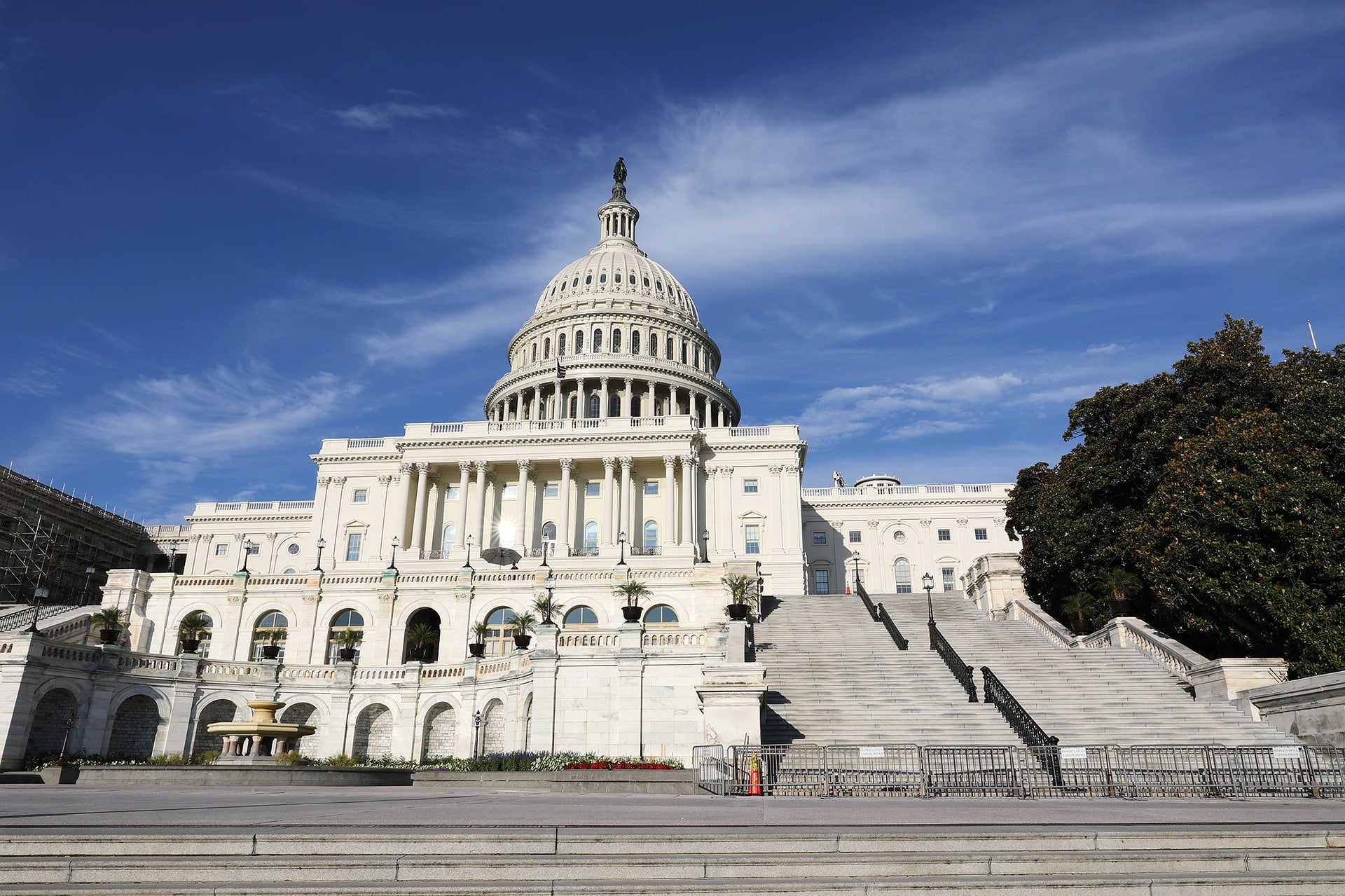
Science advocacy is a topic that typically does not garner much attention—or excitement—for us as psychologists. Additionally, as psychologists we usually have many other things at the top of our to-do lists, including research, clinical work, supervision, teaching, or writing. Science advocacy rarely figures on that list. At the same time, if national decision makers […]

Susan S. Woodhouse, Ph.D.
April 7, 2017

A Taxonomy for Education and Training in Professional Psychology Health Service Specialties
In 2012, the American Psychological Association (APA) endorsed as policy, The Education and Training Guidelines: A Taxonomy for Education and Training in Professional Psychology Health Service Specialties, hereafter referred to as “the Taxonomy.” This Taxonomy was developed in response to confusing inconsistencies across education and training in professional psychology training programs that would describe offerings […]

Roberta L. Nutt, Ph.D., ABPP
December 31, 2016

A Bouquet of Experimental Designs in Psychotherapy Research
A Horse Race … Psychological treatments that are intended to be fully therapeutic and that are provided by trained professionals (bona fide psychotherapy; Wampold & Imel, 2015; Wampold et al., 2011) have been found to be effective compared to no-treatment and treatment-as-usual for individuals who suffer from a number of disorders, including anxiety and depression […]

Christine Wolfer, M.Sc. + 1 more
December 31, 2016

Replication and Open Science
Replication has been a recent hot topic in Psychology research. With all of the concerns that have been raised, many of us may wonder how replication problems will impact practitioners and psychotherapy researchers. The purpose of this article is to review some recent research on publication and replication. I will make suggestions and argue that […]

Cody D. Christopherson, Ph.D.
November 11, 2016

Clinicians Self-Judgment of Effectiveness
Background Research has demonstrated significant between-therapist variability in both process (e.g., working alliance) and outcome (e.g., symptom reduction), pointing to the so-called therapist effect (Baldwin & Imel, 2013). Although still in its infancy with regard to empirical scrutiny, thinking in this area has largely assumed that more effective therapists possess specific characteristics that foster consistently […]

James F. Boswell, Ph.D. + 1 more
October 30, 2016

What About the Words?
By ‘augmenting human intellect’ we mean increasing the capability…to approach a complex problem situation…a way of life in an integrated domain where hunches, cut-and-dry, intangibles, and the human ‘feel for a situation’ usefully co-exist with powerful concepts, streamlined terminology and notation, sophisticated methods, and high-powered electronic aids. (Engelbart, 1962/2001, p.1) Psychotherapy is certainly a complex […]

Brian T. Pace, M.S. + 7 more
October 25, 2016

Manifestations and Outcomes of Pediatric mTBI
Each year in the U.S., nearly 500,000 children between the ages of zero and fourteen report to the Emergency Room related to head trauma (Langolis, Rutland-Brown, & Thomas, 2005). Current estimates show that 180 of every 100,000 children under the age of fifteen are diagnosed with traumatic brain injury (TBI) each year (Kraus, 1995). The […]

Beverly M. Griffor, M.B.A., J.D.
January 10, 2016