
Practice & Research
This section bridges the gap between clinical practice and scientific research in psychotherapy. Explore evidence-based practices, groundbreaking studies, and the integration of research findings into everyday therapeutic work.
45 articles found

Continuing Care
What is Continuing Care? Continuing care for substance use disorders (SUDs) encompasses any services delivered on an outpatient basis after the initial or “primary” treatment episode, which serve to help patients move towards their goal of recovery (McKay, 2009). The treatment of SUDs has historically been comprised of two phases. The primary phase typically consists […]

Steven L. Proctor, Ph.D. + 1 more
March 31, 2019

Therapy for Youth with ADHD
Children and adolescents with attention-deficit/hyperactivity disorder (ADHD) exhibit frequent and severe inattentive (e.g., difficulty sustaining attention to and completing tasks) and/or hyperactive-impulsive (e.g., interrupting others, difficulty remaining seated) behaviors that lead to significant impairment in academic and/or social functioning (American Psychiatric Association, 2013). ADHD symptoms and associated impairment typically are chronic and thus require ongoing […]

George J. DuPaul, Ph.D.
March 17, 2019

One Dozen Important Actions to Take Now to Practice Ethically and Competently
1. Get out of the office, attend continuing education events and professional association conferences, and interact with colleagues. Don’t isolate yourself. Those who are more isolated professionally are at greater risk of poor decision-making and unethical practice over time (Knapp & VandeCreek, 2012). 2. Create a constellation of colleagues (Johnson, Barnett, Elman, Forrest, & Kaslow, […]

Jeffrey E. Barnett, Psy.D., ABPP
November 11, 2018
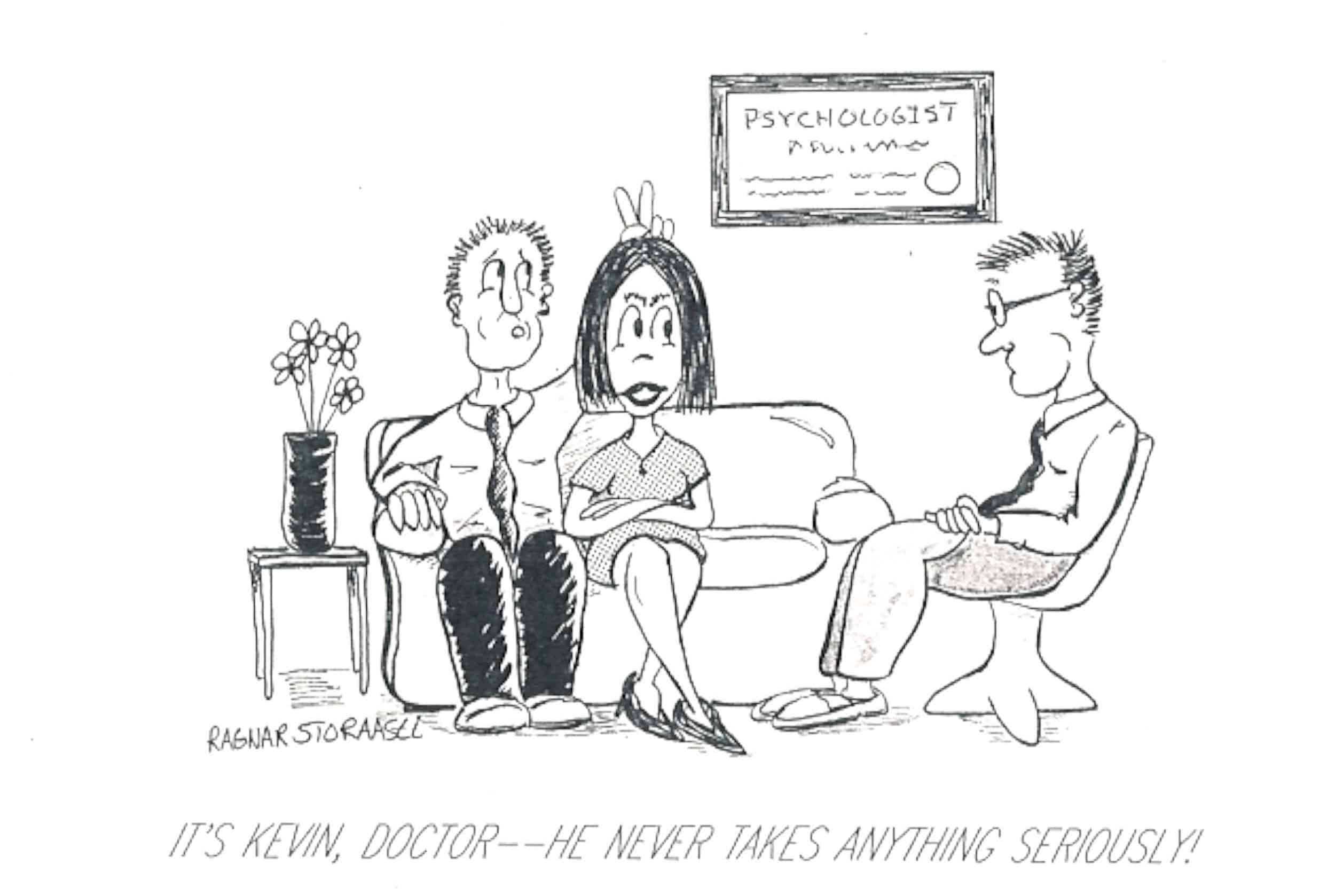
It’s Kevin

Ragnar Storaasli, PhD
October 28, 2018

Helping Clinicians Build Identities as Practice-Based Researchers
Practice-based research, or research that is conducted in naturalistic care settings, often by clinicians, has the potential to advance the science and practice of psychotherapy. Unfortunately, relatively few clinicians are actively involved in conducting research and as a result, much of their clinical wisdom and treatment data are not represented in the scientific literature. There […]

Travis L. Osborne
October 28, 2018

Top 5 Lessons Gained in Working with Dr. Jeffrey Barnett
This past December, Dr. Jeffrey Barnett stepped down from his leadership role as Publications Chair of the Society for the Advancement of Psychotherapy. Dr. Barnett has been instrumental in the mentorship, guidance, and friendship he has bestowed to me. In reflecting over the past four years of knowing and working with him, I found myself […]
Amy E. Ellis, Ph.D.
June 17, 2018

Psychotherapy for Individuals with Psychopathy/Antisocial Personality Disorder
Can Individuals with Psychopathy Be Treated? From its first conceptualization in modern psychiatry, psychopathy has been surrounded with therapeutic pessimism (Cleckley, 1941; D’Silva, Duggan, & McCarthy, 2004; Salekin, Worley, & Grimes, 2010). Psychopathy is a severe form of antisocial personality disorder characterized by a lack of empathy and remorse, self-aggrandizement, a manipulative interpersonal style and […]

Farid Chakhssi, Ph.D. + 2 more
November 30, 2014

Think Globally, Treat Locally
Introduction In the June issue of Psychotherapy, Newman, Przeworski, Consoli, and Taylor presented a study on the use of a Palmtop computer-assisted therapy for generalized anxiety disorder (GAD) (Newman et al., 2014). Since developing prototypes for this computer program in the early 1990s, there have been significant advancements in the use of technology in health […]

Nitya Kanuri, B.A. + 2 more
September 12, 2014

A Request For An Anonymous Consultation
Question by Dr. Overtree I have a client referral who is requesting, via an anonymous email message, to be screened by me as a possible patient anonymously. Although he states he is not suicidal or homicidal, nor does he meet any of the criteria for possible involuntary hospitalization (by his own report), he remains extremely […]
Jeffrey E. Barnett, Psy.D., ABPP
December 1, 2009