
Psychotherapy Bulletin
Browse articles, research, and updates from the Society for the Advancement of Psychotherapy.
1080 articles found

Amorphous Pain
You are in physical pain. You go to your doctor, and after identifying where you feel pain and how long it has been going on, a medical profession proceeds to ask you a number of questions. You may be given a pain scale chart, a numeric scale (NRS – Numeric Rating Scale) sometimes replaced or […]

Colleen Donnelly, Ph.D.
April 12, 2020
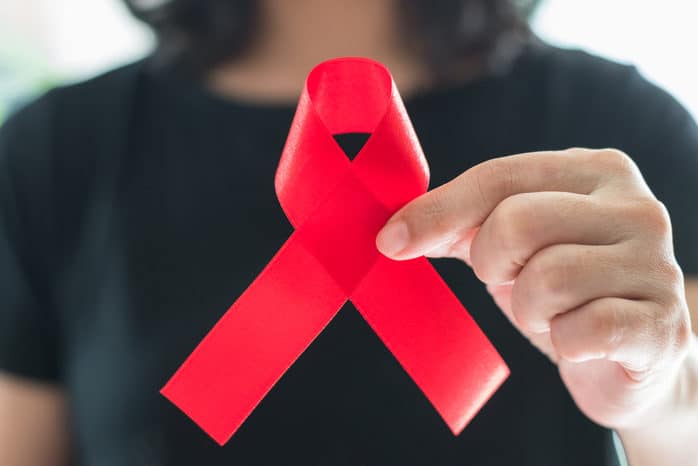
HIV, Confidentiality, and Duty to Protect
Abstract Confidentiality and duty to protect are complex issues for psychotherapists treating clients with HIV. The application of the Tarasoff ruling to situations involving HIV has long been debated with questions about how the Tarasoff principles of identifiability of the victim, foreseeability of harm, and necessary protective action apply to HIV within the context of […]

Tiffany Chenneville, Ph.D. + 1 more
April 8, 2020

The Perfect Grant Writing Team Roster
Grant-writing is a team sport from the start and recruiting colleagues with specific skill sets will build the overall morale of the team, make the writing of the grant itself easier, and may make it possible to find even more $$. You’ll see below that some roles are front and center, i.e. editing and writing […]

Kim A. Gorgens, Ph.D., ABPP + 1 more
March 29, 2020

Finding and Providing Mentorship in Psychotherapy Research
This manuscript provides six suggestions to support finding and developing mentorship relationships in the area of psychotherapy research. Suggestions are provided for both the mentee-to-be as well as the mentor towards the mutual goal of building a supportive, collaborative, and productive mentorship relationship.

Simon B. Goldberg, Ph.D.
March 26, 2020

Bringing Attention to Childhood Emotional Abuse in Psychotherapy with Adults
The Silence and Severity of Childhood Emotional Abuse Although treatment considerations for adults with histories of childhood physical and sexual abuse has grown over the years, psychotherapeutic treatment focusing on adults with childhood emotional abuse histories is in its nascency—at best. Emotional abuse and its impacts also tend to remain unseen, unacknowledged, and underreported by […]

Viann N. Nguyen-Feng, PhD, MPH + 3 more
March 15, 2020

Coronavirus and Your Practice
Given the rapidly changing circumstances regarding COVID-19, APA has provided information on Protecting Your Patients and Your Practice. As public health officials are monitoring the spread of the coronavirus, psychologists can take steps now to prepare their practices, address patient concerns and manage anxiety in their communities, which can be found in the attachment.

Society for the Advancement of Psychotherapy
March 10, 2020

Working with Clients With Disabilities
Introduction When we, as a profession, consider ways to advance psychotherapy, we must begin by striving for nothing less than fair, accessible, and clinically competent services for all populations—especially those who have historically been underserved and underrepresented. One such population that is frequently overlooked and underappreciated on a global realm are persons with disabilities (PWD), […]

Daniel Balva + 1 more
March 8, 2020

A Psychological Perspective on Collective Action and Healing
A Psychological Perspective on Collective Action and Healing The field of psychology has traditionally focused on promoting the well-being of individuals, couples, families, and even groups, but has focused less on promoting the well-being and healing of communities as a whole. There is much that psychology can offer to promote connection and health within communities […]

Rohini Gupta, Psy.D. + 1 more
March 8, 2020

Ethical Use of Interpreters for Non-English-Speaking Clients in Forensic Contexts
According to the United States Census Bureau, 60.4% of the United States population consists of White persons not of Hispanic or Latino ethnicities, and 41.8% of the population consists of racial/ethnic groups identified as Black or African American, American Indian and Native Alaskan, Asian, Native Hawaiian or Other Pacific Islander, Hispanic or Latino, or those […]

Caitlyn Azama, B.S. + 1 more
March 8, 2020

Being Our Best Selves When Dealing With High-Risk Situations
Clinical situations involving high-risk factors (e.g., suicidality) can be stressful and demanding for therapists (Cramer et al., 2013; The Suicide and Self-Destructive Behaviors Study Group, 2018). Challenging client behaviors, including those related to high risk, have also been linked to burnout (Berger, 2011; Ross et al., 1989; Rupert & Morgan, 2005). Arguably, these factors can […]

Beatriz Palma, Ph.D.
March 8, 2020

An Integrative Review of Therapeutic Empathy
The Complex Nature of Therapeutic Empathy Therapeutic empathy has long been identified as a particularly robust predictor of outcome (e.g., Elliot et al., 2018; Lafferty et al., 1989; Luborsky et al., 1988), yet its complexity has made it difficult to operationalize. Historically, some theorists have emphasized the sensory-emotional components (Kohut, 1959; Titchener, 1915), while others […]

Shannon L. McIntyre, Ph.D. + 1 more
March 8, 2020

Trainee Therapist Characteristics in the Prediction of Client Rated Alliance
Ample research suggests that therapists differ in their level of effectiveness (Blow et. al., 2007; Wampold, 2001). Even more striking is that therapist effects appear to be larger than treatment effects (e.g., Lindgren et al., 2010). These findings suggest that “who” the therapist is may be more important than the type of treatment used. Moreover, […]

Jenelle Slavin-Mulford, Ph.D.
March 8, 2020