
SAP Who’s Who: Dr. John Norcross, PhD, ABPP

Society for the Advancement of Psychotherapy
August 1, 2025
SAP Who’s Who: John C. Norcross, Ph.D., ABPP
Can you tell me about your educational background and professional experience?
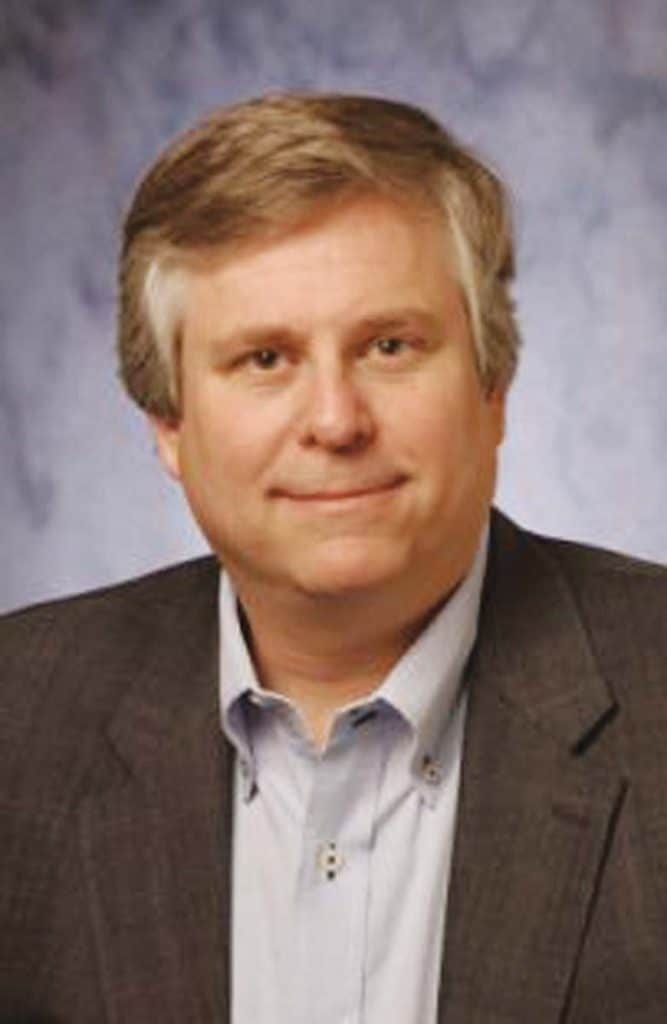
I am a proud graduate of Rutgers University, where I was a first-generation college student and was expertly mentored in clinical research and psychotherapy integration by Drs. Michal Wogan, Andy Bondy, and Arnie Lazarus. I was then fortunate to train with Dr. Jim Prochaska at the University of Rhode Island, where we were immersed in the stages of change (transtheoretical model). Internship/residency followed at Brown Medical School.
My professional experience deliberately integrates research, teaching, and practice. I am Distinguished Professor and occasional Chair of Psychology at the University of Scranton, Clinical Professor of Psychiatry at SUNY Upstate Medical University, and for 35 years, clinical psychologist in independent practice for 12 hours a week. A few years ago, I reluctantly gave up seeing patients and now spend that time conducting supervision and consultation.
What inspired you to become a psychologist?
A confluence of factors, some conscious and probably some unconscious factors revealed only decades later. Certainly, a fascination with human behavior, an ardent desire to help fellow humans (cultivated by my parents), and a quest for self-discovery and self-improvement. I chose clinical psychology following a lengthy career search to locate the mental health profession that best fit me and the goal to integrate practice, research, and teaching.
What are some common misconceptions about the psychotherapy field that you encounter?
Oh, so many! That clinician experience alone brings expertise (it does not), that successful psychotherapy depends only on the relationship or the method (tis obviously both), and that the plural of anecdote is research evidence (ouch). In addition, there are lengthy lists of discredited assessments and treatments that psychotherapists still utilize, as Gerry Koocher and I identified in our studies on what we characterize as psychoquackery.
What has been the most rewarding part of your work?
Working with students, contributing to patient growth, serving the common good, and collaborating with gifted psychotherapy researchers. I am so grateful to have worked with colleagues, to take a few recent examples, such as Clara Hill, Marv Goldfried, and Mick Cooper. It has been an incredible journey.
What has been the most unexpected part of your work?
The variety of research directions my career has taken. I assumed incorrectly coming out of my doctoral studies that I would be researching the stages of change and psychotherapy integration for the remainder of my career. But as Paul Meehl repeatedly observed, serendipity has an under-estimated effect on life. That has led to a dozen editions of books on getting into graduate school in psychology, 10 editions of our Systems of Psychotherapy textbook, guides to self-help resources in mental health, evidence-based practices, psychotherapist self-care, clinical supervision, therapists’ personal therapy, psychotherapy relationships, and personalizing treatment. On top of that, we published a couple of well-selling self-help books (Changing for Good, Changeology). That was totally unexpected but entirely wonderful.
What is your hope for the field of psychotherapy?
That’s an easy one: integration. Integration of multiple theoretical orientations, synthesis of research evidence and clinical practice, integration of diversity into psychotherapy training. Issac Newton put it best: “We build too many walls and not enough bridges.” My abiding hope is that we will foster connections throughout psychology.
Another hope is that psychology does not deteriorate into a generic, master’s-level therapist profession. Let’s advertise and leverage our distinctive doctoral-level skills: psychological assessment, consultation, research, and our multiple specialties (such as health psychology, forensics, neuropsychology). Clinical psychologists are far more than psychotherapists!
What are your future plans?
More of the same until partial retirement, in 4 or 5 years. I remain under contract to produce new editions of several books. More golf, more travel, more grandchildren (if my son and his wife cooperate, as has my daughter). In any case, I enjoy what I do too much to retire completely.
What has been your role within Division 29/SAP?
I have been fortunate to serve in multiple roles, probably because I was mentored in the APA Division of Psychotherapy by former APA presidents Bob Resnick and Gerry Koocher and wonder-woman Linda Campbell. I chaired the Education & Training Committee, the Publication Board, and the Fellows Committee. I served on the Board of Directors and then as President. I also enjoyed four terms representing Division 29/SAP on the APA Council of Representatives.
Finally, I would note that the Division of Psychotherapy has supported and shaped important research and practice initiatives within APA. With long-time APA publisher Gary VandenBos and Don Freedheim, for example, we started the APA Psychotherapy Videotape Series (now numbering more than 400 videos), the History of Psychotherapy books, and the Psychotherapy Relationships that Work series (edited with Mike Lambert and Bruce Wampold). These and other projects would probably not have materialized without SAP!