
Computer Use in Mental Health Treatment

Elizabeth Matthews, Ph.D.
June 4, 2020
[et_pb_section admin_label=”section”]
[et_pb_row admin_label=”row”]
[et_pb_column type=”4_4″][et_pb_text admin_label=”Text”]
Abstract
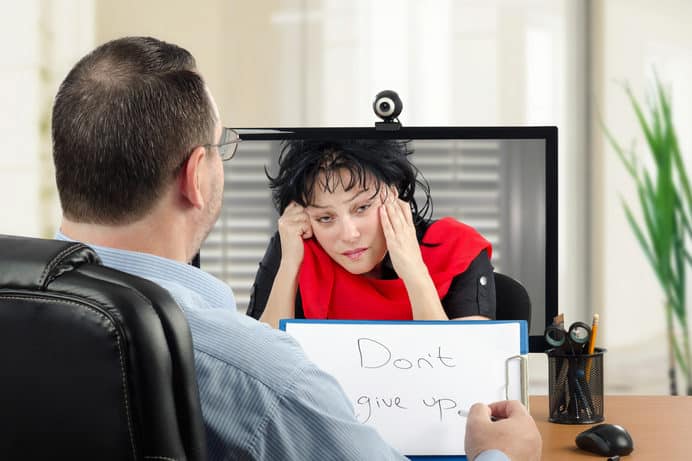
Amid increases in electronic health record adoption, many psychotherapists are concerned that in-session computing may harm the client–provider relationship, also known as the therapeutic alliance. The emerging practice of collaborative documentation (CD) is one strategy designed to prevent this outcome. Little empirical work has examined the effects of in-session computing generally or CD specifically within the psychotherapeutic context. This study explores how CD is being implemented in psychotherapy and examines how both the frequency of computing and the use of CD affects the therapeutic alliance. Psychotherapists in this study engaged in an average of 42 (SD = 38.5) computing episodes. CD was present in 39% of sessions (N = 21). Regression models found that among providers, increases in computing frequency predicted decreases in alliance (ß = -.18, p < .05). Conversely, among clients, the use of CD improved alliance (ß = .43, p < .01). Findings suggest that psychotherapists use computers often, but parties view the effect of electronic health records differently. Reconciling this disparity and continuing to develop effective technology-based best practices is imperative.[/et_pb_text][/et_pb_column]
[/et_pb_row]
[/et_pb_section]