
Supervision & Training
Focused on the critical role of supervision in the training of psychotherapists, this section offers resources and best practices for both supervisors and supervisees to enhance the learning experience and ensure the delivery of high-quality care.
156 articles found

Is Sharing Recordings of Sessions with Clients a Good or Bad Idea?
Many therapists choose to record their sessions for record keeping purposes or to facilitate supervision in training settings. While reviewing recordings may be helpful for therapists and supervisors to facilitate growth and development, could they also be useful for clients? In a recent study, King and Boswell (2021) asked this question by surveying a sample […]

Megan Jensen + 1 more
April 25, 2021

Therapist Self-Care in the Pandemic and Beyond
Self-care has never been more challenging or more important for psychotherapists than in the last year. The Professional Practice Committee of Division 29 reached out to Dr. Erica Wise, an expert on self-care, to learn more. In this video, Dr. Wise shares her insights on self-care and provides unique tips for practitioners looking to work […]

Leigh Ann Carter, Psy.D. + 1 more
March 28, 2021

Using Initial Client Speech Markers to Predict the Quality of the Alliance Later in Psychotherapy
Psychotherapy research has consistently indicated that the quality of the therapeutic alliance is one of the most reliable predictors of treatment outcomes. Indeed, clients with a weaker alliance to their therapist tend to make less progress in therapy and/or prematurely dropout. In a recent study, Nof, Amir, Goldstein, and Zilcha-Mana (2020) attempted to predict the […]

Joshua K. Swift, Ph.D. + 1 more
February 21, 2021
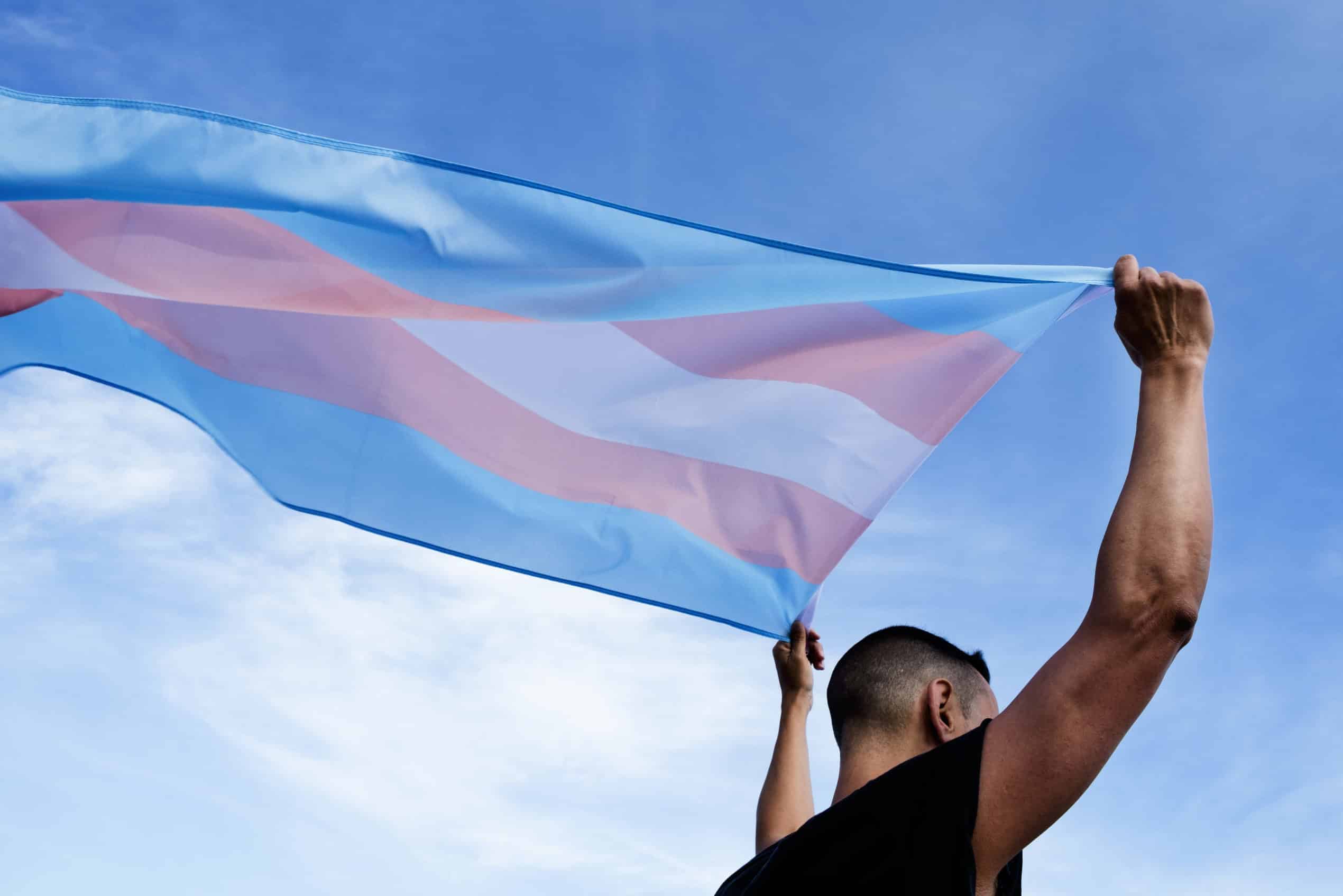
Transgender Youths and Eating Disorders
Stereotypes of eating disorders perpetuate common misconceptions regarding who may be at risk for their development. The stigma of disordered eating is that it only affects young, White, cisgender, high socioeconomic status (SES) women. As researchers and clinicians continue to challenge the stigmas associated with eating disorder pathology, it is increasingly evident eating disorders do […]

Veronica Grosse, MS
January 24, 2021

Utilizing Social Support in Treating Complex Trauma in Sexual and Gender Minorities
Sexual and gender minorities (SGM) are those who identify as lesbian, gay, bisexual, transgender, and queer or questioning. All other affectional and sexual orientations and gender identities are represented by a “plus” (LGBTQ+). Sexual orientation refers to one’s sexual attraction, and affectional orientation refers to one’s emotional attraction towards others (Ginicola, Smith, & Filmore, 2017). […]

Korey Abbriano, M.A., M.S. + 1 more
December 6, 2020

The Relationship between Trainee Therapist Personality, Technique Usage, and Perceived Helpfulness
Research suggests that therapist personality traits impact self-reported theoretical orientation (e.g., Ogunfowora & Drapeau, 2008). For example, studies have shown that therapists who report having a psychodynamic orientation generally report being higher in creativity, intuition, imagination, individualism, anxiety, and introversion (Arthur, 2001). In contrast, Arthur’s (2001) research showed that cognitive-behavioral therapists were more conventional, rational, […]

Samantha H. Kunkel, A.S. + 3 more
December 1, 2020

Rethinking How We Teach Socratic Questioning
Socratic questioning is a transtheoretical omnipresent psychotherapeutic process (Overholser, 2018; Waltman et al., 2020). The notion that corrective learning is essential to psychological healing and growth stems back to the origins of psychotherapy (Alexander & French, 1946); this phenomenon is commonly called the corrective emotional experience (Alexander & French, 1946; Yalom, 1995). From an integrative […]

Scott H. Waltman, Psy.D., ABPP
December 1, 2020

The Importance of Trauma-Informed Care in Eating Disorder Treatment
Due to the high comorbidity between disordered eating after a traumatic experience, understanding the association between the two is pertinent to the conceptualization of a person experiencing such stressors. There is an increasing amount of literature suggesting that many of those with eating disorders (ED) also have a history of psychological trauma (Mitchell et al., […]

Zoe Ross-Nash, PsyD + 1 more
October 11, 2020

Navigating the Empathic Process During a Global Pandemic
Increasingly, clinical psychology literature points to a relationship between therapists’ self-regulation and their capacity to effectively treat patients. Indeed, theorists have suggested that therapists’ self-regulation – including their capacity to be self-reflective and mindful with patients – tends to facilitate therapeutic empathy (Buechler, 2008), rupture resolution (Safran & Muran, 2000), and mutual recognition (Benjamin, 2018). […]

Shannon L. McIntyre, Ph.D.
August 30, 2020

Critical Incidents in Pre-Practicum Supervision from the Perspective of Counseling Trainees
Pre-practicum (PP) supervision is counseling trainees’ first introduction to the tremendously complex and comprehensive process of supervision. Supervision is vital for counseling trainees’ professional development as it is one of their first steps towards the development of competence as psychotherapists and lays the groundwork for subsequent training (Hatcher & Lassiter, 2007; Hill et al., 2007). […]

Jacob Daheim, M.A. + 2 more
August 27, 2020
Challenges and Considerations for Predoctoral Psychology Interns During a Pandemic
The University of Denver Graduate School of Professional Psychology Internship Consortium, an APA-accredited internship consortium, consists of seven sites in the Denver metropolitan area including a state psychiatric hospital, residential treatment home for children and adolescents, health maintenance organization, community mental health center, police psychology agency, and two university counseling centers. The global pandemic caused […]

Maya Badwan + 12 more
August 27, 2020

Identifying, Addressing, and Using Therapists’ Countertransference in the Time of Pandemics
During the past few months, the world has been experiencing unique challenges. We are all facing many environmental and social stressors (many of which are not new), which will impact us in various ways. We are not only experiencing the COVID-19 pandemic, but we are also experiencing the racism pandemic (Schullman, 2020). In the words […]

Beatriz Palma, Ph.D.
August 27, 2020