
Bridging Practice & Research
Delve into the intersection of research and practice, where theory meets application. This section highlights how empirical research can inform clinical practice and how practical experiences can shape future research directions.
182 articles found
The Ethics of Scholarship
The ethical conduct of research and the dissemination of its results are essential for the field of psychotherapy and for all psychotherapists. Ongoing research provides us with new insights, and expanding one’s knowledge base directly impacts the clinical services provided to clients. Without ongoing research, the mental health profession would stagnate and the public served […]

Jeffrey E. Barnett, Psy.D., ABPP
July 16, 2017

Closing the Gap Between Psychotherapy Research and Practice
Psychology researchers have long lamented that practicing therapists do not make use of research findings in their clinical work. For their part, clinicians have argued that much of what researchers have studied has not adequately addressed the issues that they confront in their practices. This gap between research and practice continues to exist, even in […]

Marvin R. Goldfried, Ph.D., ABPP + 6 more
March 2, 2017

A Bouquet of Experimental Designs in Psychotherapy Research
A Horse Race … Psychological treatments that are intended to be fully therapeutic and that are provided by trained professionals (bona fide psychotherapy; Wampold & Imel, 2015; Wampold et al., 2011) have been found to be effective compared to no-treatment and treatment-as-usual for individuals who suffer from a number of disorders, including anxiety and depression […]

Christine Wolfer, M.Sc. + 1 more
December 31, 2016

Replication and Open Science
Replication has been a recent hot topic in Psychology research. With all of the concerns that have been raised, many of us may wonder how replication problems will impact practitioners and psychotherapy researchers. The purpose of this article is to review some recent research on publication and replication. I will make suggestions and argue that […]

Cody D. Christopherson, Ph.D.
November 11, 2016

Clinicians Self-Judgment of Effectiveness
Background Research has demonstrated significant between-therapist variability in both process (e.g., working alliance) and outcome (e.g., symptom reduction), pointing to the so-called therapist effect (Baldwin & Imel, 2013). Although still in its infancy with regard to empirical scrutiny, thinking in this area has largely assumed that more effective therapists possess specific characteristics that foster consistently […]
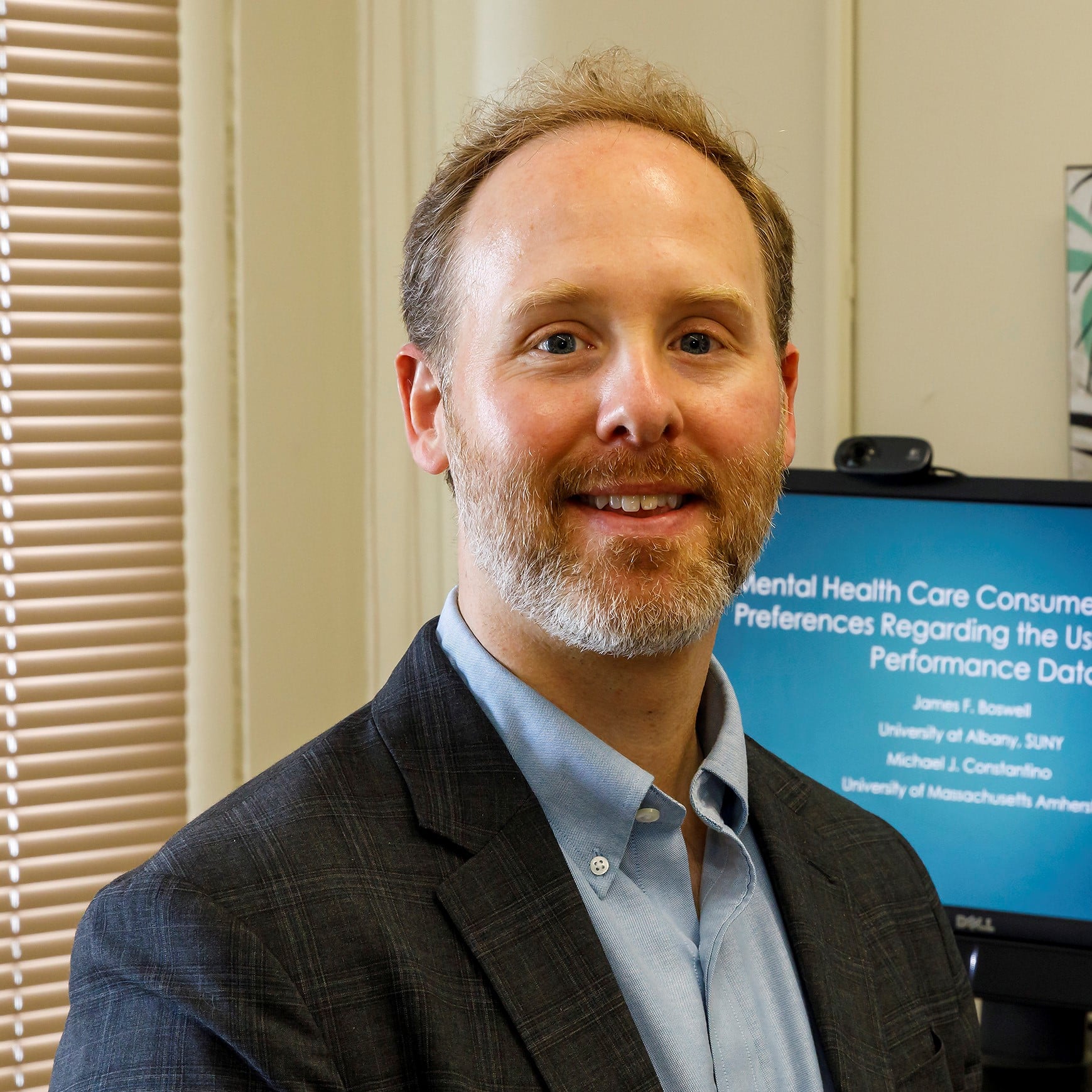
James F. Boswell, Ph.D. + 1 more
October 30, 2016

Psychotherapy Science
Since 1992, I have been exposed to psychotherapy research, either working on other researchers’ trials or as a principal investigator. Of the time-limited approaches to which I have been exposed, interpersonal psychotherapy (IPT) resonates with me as a therapist, a clinical supervisor, and a mentor. I have observed IPT meaningfully impact the lives of clients […]

Marian Tanofsky-Kraff
October 9, 2016

Measurement-Based Care and Patient-Centered Mental Health Care
In 2007, the Institute of Medicine (IOM) recommended that health care consumers be granted access to provider performance data to inform treatment decisions. Theoretically, access to performance data would encourage patients to compare individual clinicians and preferentially choose the best performing clinician in a particular area of need or geographic location. This recommendation relies on […]
James F. Boswell, Ph.D. + 1 more
September 25, 2016

Practice Oriented Research
The practice of psychotherapy is not an easy task. Many psychotherapists are balancing multiple responsibilities and roles at any given moment. As clinicians, they have to conduct assessments, develop case conceptualizations and treatment plans, relate to their patients therapeutically, and deliver interventions effectively. As mental health providers, they have to find time to manage responsibilities […]

Soo Jeong Youn, M.S. + 2 more
July 24, 2016

Most Psychotherapy Research Probably Isn’t Reproducible (But We Can Fix That)
Papers about reproducibility are filling journals; arguments about reproducibility ricochet through the blogosphere. Concerns about the trustworthiness of published research are not limited to psychology: they extend to the biomedical sciences (Begley & Ionannidis, 2015), political science (Esarey, Stevenson, & Wilson, 2014), and even computer science (LeVeque, Mitchell, & Stodden, 2012). But only psychotherapy researchers […]

Samantha L. Bernecker, M.S.
May 22, 2016

What Clinicians Want from Psychotherapy Research
The Practice-Research Divide in Psychotherapy The tension between science and practice in psychotherapy has been described as a war or a “bad marriage” (Greene, 2014). Some writers on the research side of the divide characterize clinicians as lacking in knowledge and skill in empirically supported interventions (Karlin & Cross, 2014), while others suggest that clinicians […]

Giorgio A. Tasca, Ph.D.
March 22, 2015

What Clinicians Want
Abstract Practice research networks may be one way of advancing knowledge translation and exchange (KTE) in psychotherapy. In this study, we document this process by first asking clinicians what they want from psychotherapy research. Eighty-two psychotherapists in 10 focus groups identified and discussed psychotherapy research topics relevant to their practices. An analysis of these discussions […]
Giorgio A. Tasca, Ph.D. + 21 more
March 15, 2015

A Psychotherapy Researcher
The Golden Crown Sifaka is the smallest member of the lemur family from Northeastern Madagascar. He has a creamy white coat that is topped with a bright orange crown and a triangular face with small black eyes. These creatures live in groups of 5 or 6, care for their young, and form social groups dominated […]

Rayna D. Markin, Ph.D.
September 25, 2014