
Bridging the Gap: Integrating Specialized Experience into Emerging Clinician Identity
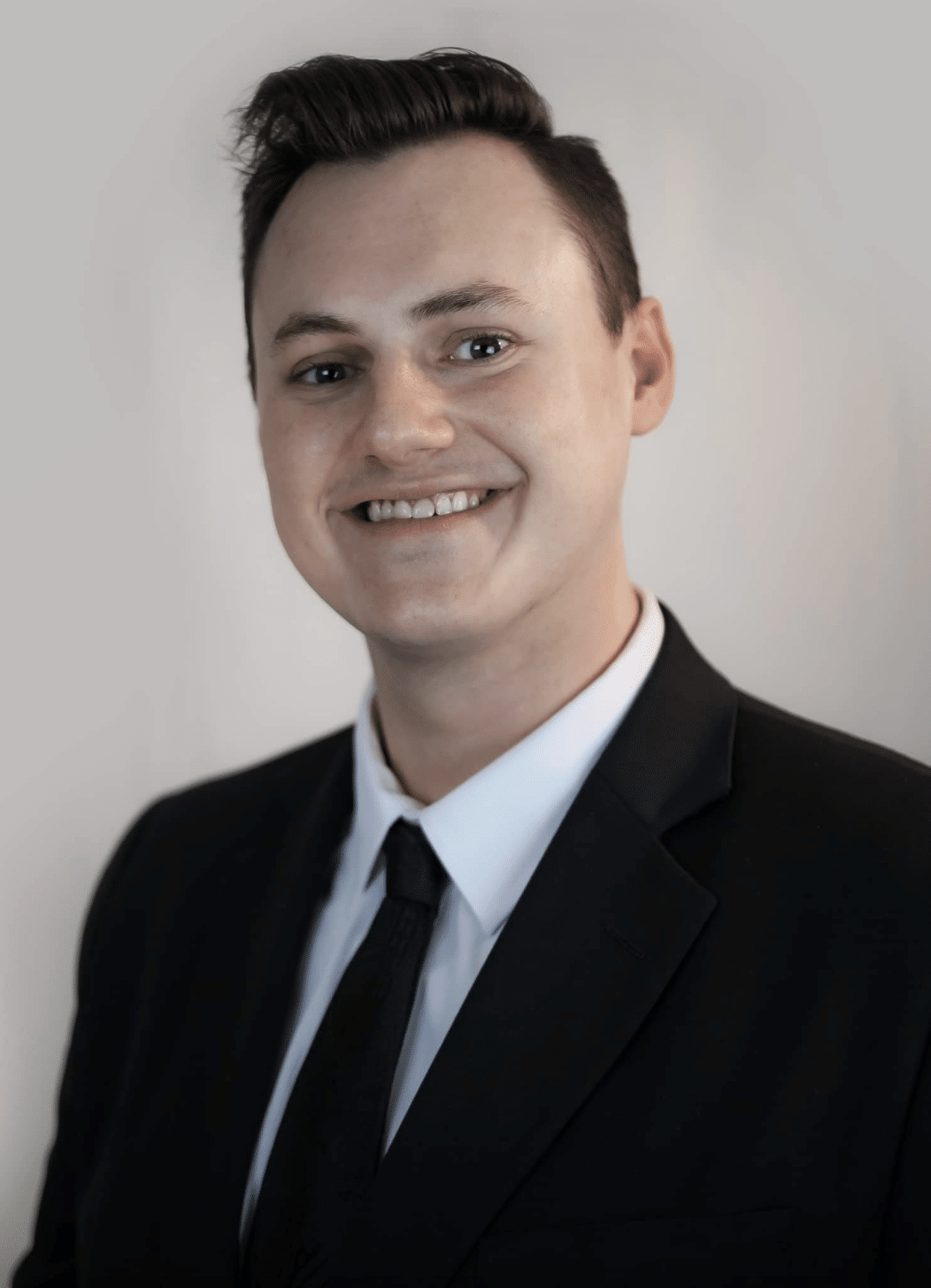
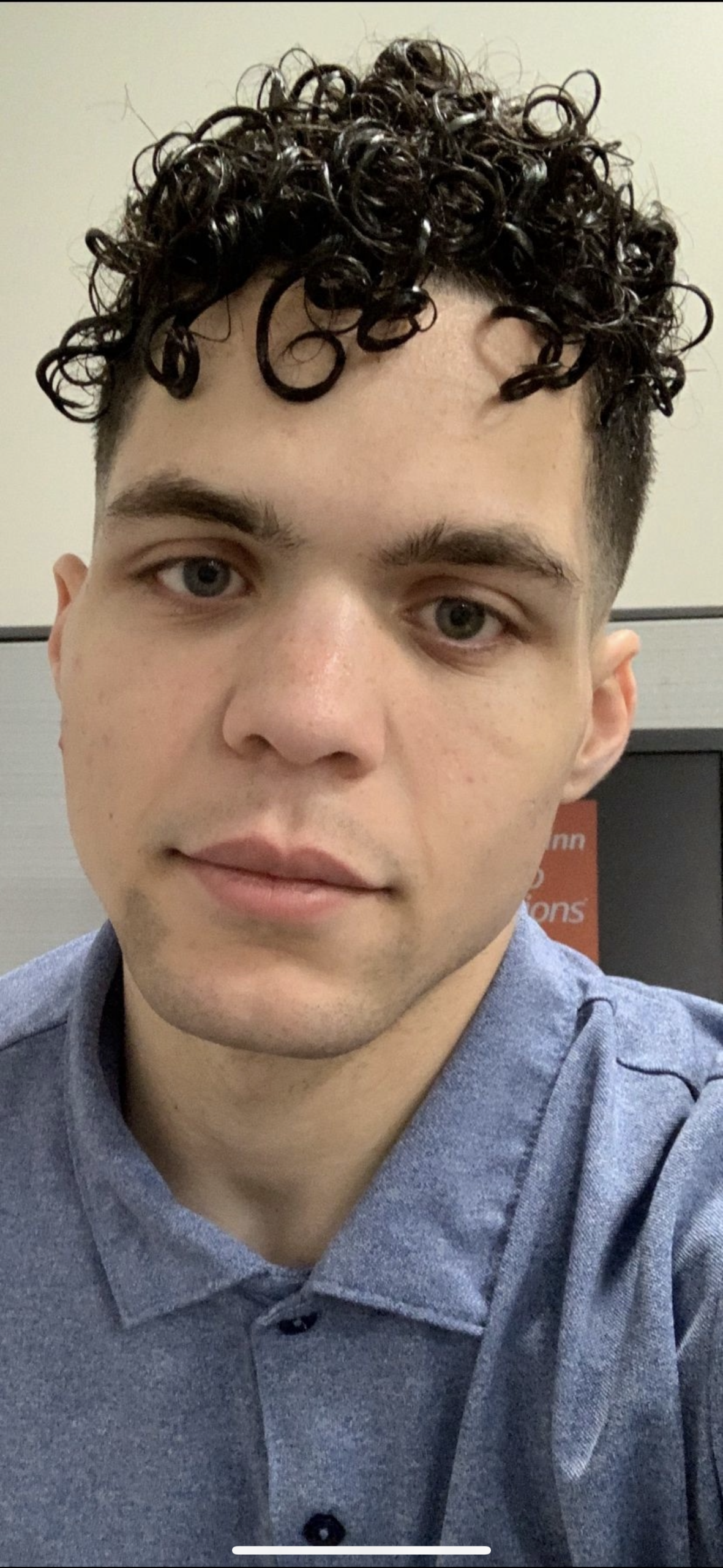
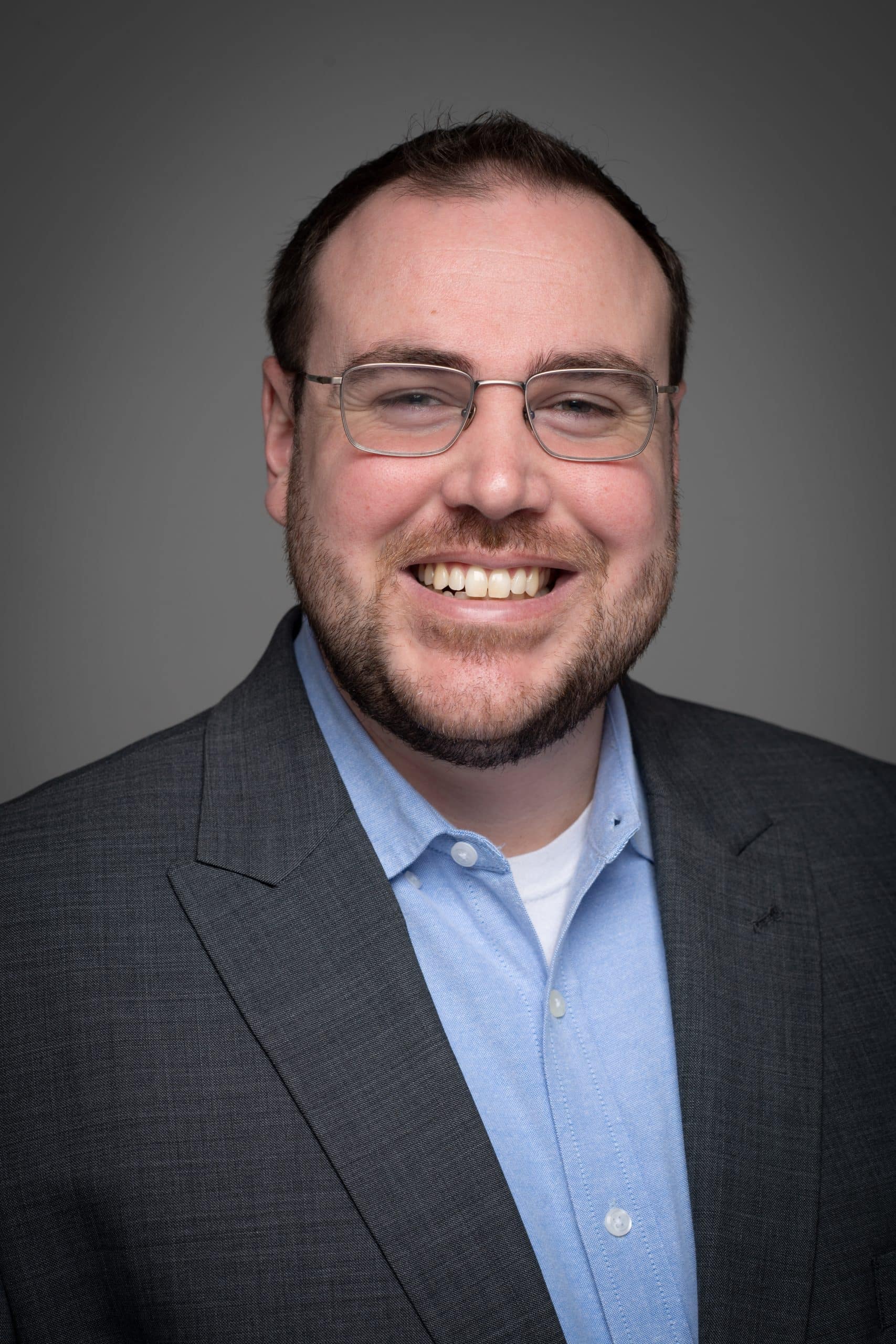
Charles Clark, MS & 2 others
June 10, 2026

This article is for those at every stage of their professional training journey: considering graduate school, navigating it, completing internships, and stepping into the workforce. We share our experiences to highlight common struggles, the hidden strengths we bring, and how to recognize what experiences transfer and which require further refinement. In a field that values generalist competence but thrives on unique perspectives, learning how to integrate specialized experience into broader clinical practice is key. These are lessons we have learned over the years, and we share them with you in hopes they will help. Charles Clark and Cesar Rivera are graduate students in, and Dr. Nicholas Morrison directs, the Master of Arts in Counseling Program at Westfield State University (WSU). The authors have worked together in various capacities over the past several years.
Bridging the Gap: Integrating Specialized Experience into Emerging Clinician Identity
In the Same Boat
Before entering my graduate program, I, Charles Clark (CC) worked in two specialized roles. I learned most as a mental health counselor for a local Sheriff’s Department, serving incarcerated men and women. In that role, I felt confident that certain techniques or approaches were commonplace in mental health care, for instance the culture allowing for more directive and sometimes confrontational responses. However, from day one of graduate school, I realized that my perspective would need to become far more nuanced. One of my biggest challenges was learning to incorporate emotions into my clinical work, something that was rarely the focus in the correctional settings. Like many of my classmates, I would have to learn that my prior experiences provided only fragments of what it means to provide comprehensive mental health care. This development came from my instructors, fellow graduate students with alternative experiences, and my clinical practica.
With a strong foundation in psychology, lived experience from my Latin heritage, and considerable experience working with vulnerable populations, including minority communities and those with various mental disorders, I, Cesar Rivera (CR) entered graduate school with various skillsets. Through my experiences in leadership, psychological research, case management, and emergency response positions, I learned to use these skills to develop my own mental health framework. However, as I navigated my first year of graduate school, I doubted my abilities, often wondering, “Can I really do this?” Further, my Latin background was simultaneously a source of pride and stress because I often felt the pressure to succeed, represent my community well, and navigate unfamiliar environments such as university and mental health settings where people with my background are still underrepresented. Balancing cultural expectations, academic demands, and my drive to succeed in psychology created an internal tension that shaped much of my motivation and personal growth. Surrounded by classmates referencing specific theories, modalities, and articles I had never heard of made me further wonder if I could succeed in graduate school. Despite this, through mentorship and guidance from classmates and professors alike, I came to understand that my cultural background was a strength that informed my learning.
Exploring Next Steps: Considering Graduate School
When I (CC) first considered a graduate degree in mental health counseling, I was excited and unsure. While with the Sheriff’s Department, I was fortunate to learn from several fantastic master’s-level clinicians, who always seemed to make the educated clinical call and connected with clients effortlessly. Despite this admiration, or perhaps because of it, I was not sure I could follow in their footsteps. When it came to considering the graduate program at WSU, I brought this concern to my now-advisor, who would come to play a key role in my decision. At that time, I felt I had gained valuable experience, but I was worried that choosing the forensic concentration, compared to the traditional track, might limit my future options. My advisor helped assuage my fears.
Conversations with my advisor, friends, and family were candid and deeply encouraging. These supports helped me (CC) clarify my goals so that I could move forward with confidence. Since enrolling in the forensic concentration, my understanding of the complexities of treating mental health concerns in the criminal-legal system, the need for robust assessment instruments, and the dual emphasis on reducing recidivism while maintaining mental health has grown. Most of all, through my courses and experience in the program, I was able to identify and label the skills I developed in these secure facilities that I could carry forward. I also grappled with other learned behaviors and beliefs that I needed to set aside or adapt. For example, because of the directive nature of the environment, having discussions regarding difficult topics such as substance use, suicidal or homicidal ideation, and other areas was much more comfortable for me. Conversely, I learned that while directiveness, which is valued in correctional settings, can be useful in some contexts, effective counseling often requires tolerating uncertainty and allowing clients space to process difficult emotions associated with major life events.
My advice for those experiencing the fear of “I don’t know what I’m doing. I’m not prepared enough” at this stage is to be honest with those around you and have conversations with those involved. If you are able, talk to coworkers or those involved in the graduate program you are considering. They can help you find your path, and that support can make a significant difference in finding occupational clarity. Do not be afraid of the questions that will come – “Why do you need this degree?” “What other options might there be?” and “Are you ready for that commitment?”. The questions are not challenges to your goals but meant to help you decide your best next steps. Take these questions, consider them, and answer them truthfully for yourself.
Clinical Training: The Beginning of Graduate Study
Everyone entering graduate school has their own lived experiences, with varied cultural backgrounds and training levels. These diverse backgrounds and experiences form the foundation of a potentially strong graduate school cohort, with the opportunity to enhance training for all involved. However, to truly succeed in graduate training, students must maintain an open mind and readiness for challenge.
I (CR) feel that this self-awareness, open-mindedness, and curiosity is integral to success. My experience working for the Office of Refugee and Resettlement based in New York State facilitated my interpersonal skills, cultivated a diverse network of contacts, and exposed me to contrasting opinions and worldviews. Although I recognized my background would help in my role as a burgeoning counselor, I quickly realized it did not fully prepare me for the more technical parts of graduate training, such as clinical assessment and documentation. I had to adjust by leveraging my natural strengths against my deficits at that time. For example, while it was natural for me to be present for my clients emotionally, I struggled translating clients’ descriptions into clinically appropriate language. However, by seeking supervision, and improving my case conceptualization skills, I became proficient.
Students from minority backgrounds and counselors surrounded by diverse peers and support systems often provide perspectives and community understanding that can improve culturally competent care (Kılıç & Vaněček, 2025). Because of this, graduate programs can and should help students to harness these strengths as they transition into their roles as emerging counselors. To this end, mentors who understand their students’ cultural identities can motivate students and foster a sense of belonging in graduate school (Estrada et al., 2018), which can be invaluable.
In addition to the role graduate programs can fill, there are several steps that graduate students themselves can take to make the graduate school experience less complex, more comfortable, and more beneficial. First, students can seek mentorship from specific individuals, such as faculty, supervisors, or professionals, with whom they feel have a sufficient understanding of the student’s background and experiences so that they can offer tailored guidance that aligns with the student’s goals. Additionally, students can consider creating affinity groups by connecting with classmates or joining student organizations that advocate for their mental health, wellbeing, and academic success. Such steps play significant roles in making graduate school that much more digestible.
Further Identity Development through Internship
An internship is usually one of the most anticipated and nerve-wracking experiences for those pursuing graduate training in the mental health field. For many graduate students, an internship symbolizes a transition from the controlled learning environment to actual clinical practice. Even among the most confident, this process is likely to elicit feelings of doubt in the student-clinicians’ skills. There may be additional pressure for one to find what they consider to be the “right” placement, especially for students coming from highly specialized previous experiences and/or predominantly minority backgrounds. In this next section, we (CC & CR) reflect on our two distinct, but similar, journeys through the internship process. Each is marked by moments of uncertainty, growth, and important lessons about what really matters to each author in the internship process.
For me (CC), finding an appropriate internship site came with unexpected challenges and anxiety. Even after completing sufficient coursework, I still felt unprepared for the internship process: “I don’t know what I’m doing. I’m not prepared enough” came up again, and again. Additionally, I placed great emphasis on finding a “perfect” placement that would provide me with skills to bridge my previous specialized experience to a more generalized practice. I felt alone and overwhelmed. These thoughts and feelings persisted until I started talking with classmates who, to my surprise, felt the same! Those peer conversations became a lifeline and a reminder that these doubts were normal during this phase. While the emotional support was invaluable, I realized I also needed to shift my expectations about what an internship would, and would not, look like. A lesson I had to learn, sometimes painfully, was that there would be no such thing as the perfect placement. Instead, my ability to critically evaluate and apply what I would learn would be what mattered most, all while recognizing the expected learning curve of this new experience. As with other specialist settings, such as hospital emergency rooms or group homes, you, too, will need to foster the critical thinking necessary to assess what skills are transferable from whatever placement you obtain. Apply what you learn critically; always consider the context before applying your skills.
In my (CR) case, I encountered several moments of doubt, nervousness, and confusion while preparing for an internship. As a Latino student, I am extremely proud that I get to represent my community at WSU. However, when looking for internship placements, I found myself unsure and nervous about whether many sites would value my Latino background or even whether I would fit in. This began to change when I realized that many internship sites actively seek students with different cultural identities. This shift, from anxiety to confidence that my lived experiences would be both valued by internship placements and beneficial to clients, was a welcome one. With this lesson, there is an additional piece of guidance I wish to share with students navigating similar stressors: look for internship locations that resonate with your cultural identity and consider locations that allow you to work with diverse populations.
This was the most important lesson I learned. Additionally, internship locations that value different cultural identities are training environments that can produce more effective therapists. For example, Kılıç & Vaněček (2025) found that students who worked with diverse populations and participated in multicultural training developed stronger multicultural counseling skills than those who only completed traditional training methods. Further, George (2023) found that social work students cited field placements (49%) and supervision (35%) as the most helpful in preparing them to work with different communities. The clinical literature demonstrates how direct, culturally informed experience builds both skill and confidence. To this end, seeking out placements that foster culturally responsive values offers significant benefits to students.
Key Lessons Learned
While our experiences seeking internship placements may have been different, we both learned that being unsure and doubting oneself is part of the internship process. Whether it is embracing one’s cultural identity or utilizing classmates for support, the goal is to keep learning and expanding one’s skills. Internships are not about being knowledgeable about everything psychotherapy; instead, they are about showing up, turning one’s experiences into strengths, and continually developing a professional identity.
Transitioning into the Workforce
In many ways, my, Dr. Nicholas Morrison (NM) experience of sitting with uncertainty is consistent with those of my co-authors. As a first-generation college student, I often felt at each stage of my professional journey (undergraduate, post-baccalaureate work, graduate, and professional practice) a feeling of uncertainty. However, like many experiences in this world, it becomes easier to habituate to and accept this feeling with both time and practice, without it needing to dictate the course of life events.
With the benefit of hindsight, I can look back at my training and experiences and reflect on how my feelings at the time compare with those now. It seems to me that many prospective and current graduate students are concerned with navigating the path toward their careers the “right” (or even perfect) way. This is certainly understandable, especially given the difficulty of graduate programs in mental health fields. However, it is important to recognize that although not “all roads lead to Rome,” certainly many of them do. For students concerned about the “right” path, I encourage them to recognize that many avenues exist to prepare for graduate study, including concentrations within majors, independent study, internships, practica, research positions, and post-baccalaureate work. Applicants across the spectrum to graduate programs and beyond will have a diverse array of experiences, each with their own unique sets of strengths and deficits. What may make a candidate look appealing at one site (e.g., in-depth exposure to cognitive-behavioral principles) may put them at a disadvantage at another (e.g., the candidate does not appear open to new theoretical orientations). Even if a candidate has chosen the “right” path, it often winds and turns, with difficult terrain and obstacles along the way. Mindfully recognizing that each of us faces difficulty with the paths we have chosen will make it that much easier to navigate the more strenuous aspects with stamina and grace.
Moreover, I encourage prospective and current graduate students to recognize that, at times, it may be useful to take a different path. For example, I began my post-doctoral training expecting to pursue a career as a full-time clinician. The experience led me to realize I missed working with students and helped me to understand that my calling was in a university setting. Relatedly, I have worked with students who, after trying counseling, realized that they wanted to help others in a different way; I can recall one student who decided after an introductory counseling class to effect change at a macro level by pursuing a master’s degree in public health (MPH). I encourage both prospective and current students to start from a place of values: “What is important to you?”, “What gives you a sense of purpose?” I also encourage students to recognize that values can be flexible, and as such will often change with time. What matters to you in a career when you first apply to graduate school might look quite different when you seek out your first position as a credentialed professional. For example, a position at a R1-institution as a researcher may be extremely important when you first apply to graduate school; however, the ability to care for a family member’s ailing health may take precedence over moving for the “perfect” job, and a genuine reflection upon what is most important to you will be important. A values-based framework will help you mitigate the anxiety about which path to take, and when, if at all, it is appropriate to deviate from that path. Graduate school and professional life rarely unfold in a straight line. By grounding choices in values, students can navigate uncertainty with greater confidence. I would remind readers that it is not the absence of obstacles, but the way we navigate them, that defines the journey along our paths.
Final Thoughts, From Us to You
As early-career professionals pursue their careers in the mental health field, it is important to recognize the value of specialized experiences in preparing us for broader, generalist practice. Equally important, though, is the ability to critically reflect on which skills to carry over, and which may need to be adapted, expanded, or left behind. In mental health counseling, we help clients build insight so they can move toward their goals. The same perspective is essential for us, too.
About the Authors
Charles Clark, MS
Charles Clark is a Research Coordinator at the University of Massachusetts Chan Medical School and a graduate student in the Mental Health Counseling Master's Program (Forensic Track) at Westfield State University in Massachusetts. He also holds a Master's degree in criminal justice, focusing on improving the criminal legal system to support the mental health of incarcerated individuals, victims, and practitioners. His independent research includes a grant-funded thesis through APA Division 29 on factors influencing decision-making in police/co-responder interventions and another thesis examining the mental health literacy of uniformed jail staff. Charles serves as a Graduate Student Representative on the APA Division 29 Membership committee and plans to pursue doctoral training in Clinical Psychology.
Cesar Rivera, B.A.
Cesar Rivera is currently a graduate student at Westfield State University’s Mental Health Counseling Program. He holds an associate’s Degree from Berkshire Community College where he graduated with a Liberal Arts/Psychology degree, and a Bachelor’s degree in Interdisciplinary Studies, with a minor in Psychology, both from the University of Massachusetts Amherst
Cesar has vast experiences working with culturally diverse populations, specifically surrounding the population of youth and families across community-based and clinical settings. As of this moment, he currently works as an Outreach Worker with Behavioral Health Network, where he assists in giving appropriate trauma-informed care, strength-based services to clients and their support systems. In addition, he also works as a Registered Behavior Technician, where he provides appropriate behavioral interventions, and skill-acquisition to clients using data to track progress and support treatment goals. Cesar was also a research assistant at Westfield State University. He is one of the co-authors on a community risk assessment report looking at factors connected to youth violence and gang involvement in the city of Pittsfield, Massachusetts. He both facilitated and led focus groups with the community residents, leaders, and youth in the city of Pittsfield directly to better understand the overall community’s views on some of the potential factors that they believe contribute to youth getting involved in gang activity and violence and the strategies that can help mitigate those risks. His professional interests include getting more clinical experience counseling diverse populations, as well as pursuing a Doctoral degree.
Cesar is bilingual in both English and Spanish and is actively involved in many extracurriculars, such as Behavioral Health Network’s Social Justice Coalition, and the Society for the Advancement of Psychotherapy (Division 29).
Nicholas R. Morrison, Ph.D.
Nicholas Morrison is an Assistant Professor of Psychology at Westfield State University. Dr. Morrison graduated from the University of Massachusetts Amherst with a BA in Psychology with highest honors. His senior honors thesis qualitatively examined therapeutic alliance researchers’ perspectives on alliance-centered training practices. Subsequently, he worked as a Clinical Research Coordinator and Diagnostic Interviewer in the Department of Psychiatry at Massachusetts General Hospital before returning to UMass Amherst for graduate study. His master’s thesis expanded on his earlier research by examining the state of current alliance training practices in clinical and counseling psychology programs across the United States and Canada, and his doctoral dissertation examined the trustworthiness of consensual qualitative research (CQR) findings. Dr. Morrison completed his predoctoral clinical internship at SUNY Upstate Medical University and a postdoctoral fellowship at the VA Boston Healthcare System as a Clinical Fellow in Psychology at Harvard Medical School and Teaching Fellow in Psychiatry at Boston University School of Medicine. Dr. Morrison's research program centers on psychotherapy process, outcome, integration, and training, and relies heavily on qualitative methods. He currently strives to integrate his research, teaching, and clinical practice in his work with both undergraduate and graduate students.
Citation
References
Estrada, M., Hernandez, P. R., & Schultz, P. W. (2018). A longitudinal study of how quality mentorship and research experience integrate underrepresented minorities into STEM careers. CBE life sciences education, 17(1), ar9. https://doi.org/10.1187/cbe.17-04-0066
George, C. A. (2023). Field education: What field internship experiences influence perceived level of cultural competence among graduating MSW students? Applied Learning in Social Work Education, 13(2). https://alswe.simmons.edu/article/field-education-what-field-internship-experiences-influence-perceived-level-of-cultural-competence-among-graduating-msw-students/
Kılıç, C., & Vaněček, D. (2025). Demographic correlates of multicultural counseling competencies and the role of multicultural training. Scientific Reports, 15(1), 36113. https://doi.org/10.1038/s41598-025-20104-8